Best Garden Gloves for Arthritic Hands: Tested and Reviewed
Affiliate Disclosure: This post contains Amazon affiliate links. As an Amazon Associate I earn from qualifying purchases. I only recommend products I’d genuinely suggest to a friend.
Finding the Best Garden Gloves for Arthritic Hands
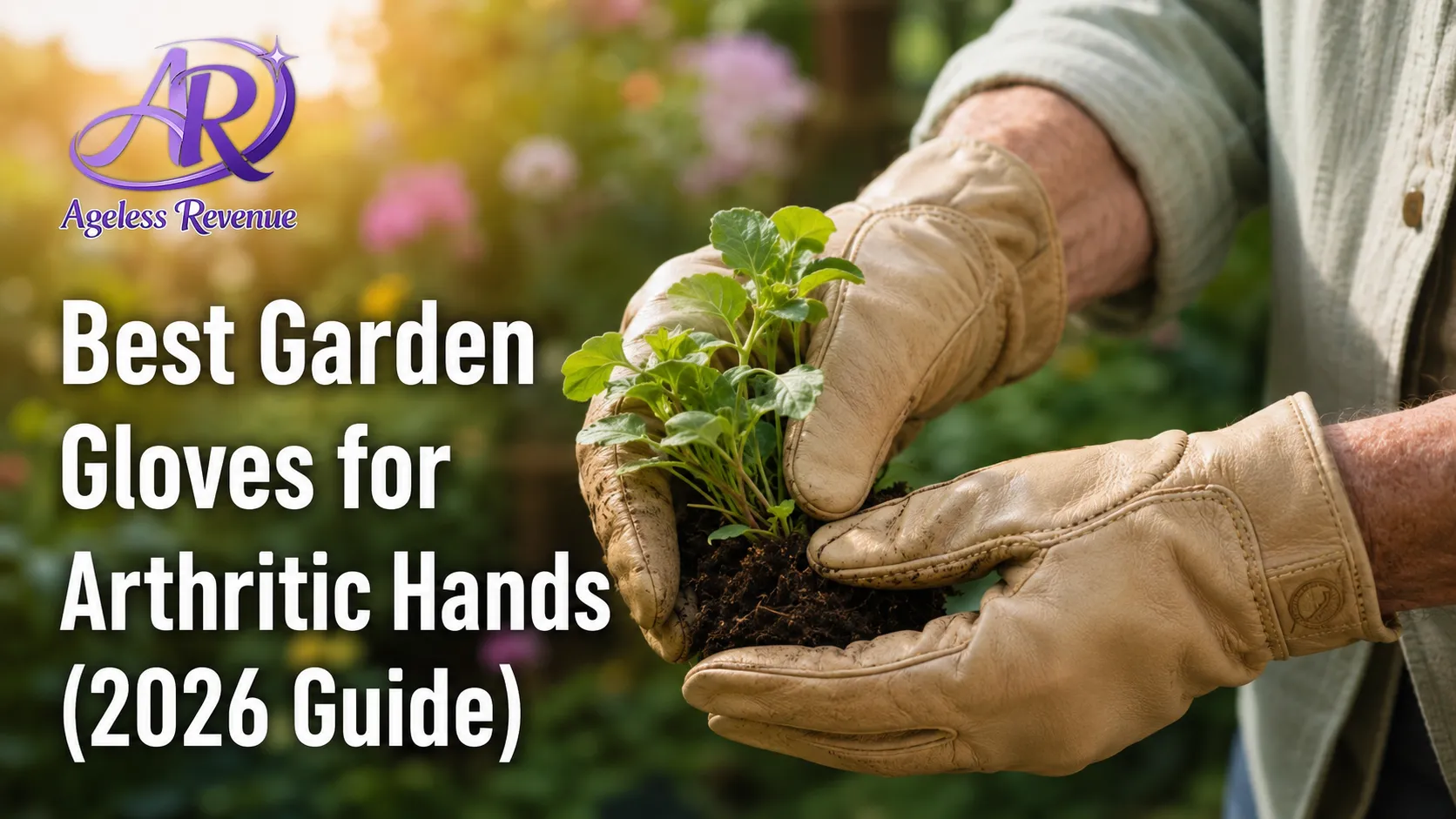
A pair of stiff, ill-fitting garden gloves can turn a relaxing afternoon in the garden into a genuinely painful one if you have arthritis in your hands. The best garden gloves for arthritic hands solve this with softer materials, better fit through the fingers, and closures that don’t require fine motor control to fasten — small differences that add up to a much more comfortable session.
Here’s what to actually look for, and a few specific options worth trying.
TL;DR
- Fit through the fingers matters more than overall glove size — a glove that’s roomy in the palm but tight at the fingertips will still hurt.
- Look for goatskin or synthetic leather-blend gloves rather than stiff cowhide — they soften and flex with far less break-in time.
- Velcro or elastic-cuff closures beat button or snap closures for anyone with reduced finger dexterity.
- A padded palm reduces the impact of gripping tool handles, which matters as much as the glove’s flexibility.
- Expect to pay $15–$35 for a genuinely good pair — cheaper gloves tend to stiffen quickly and lose their fit within a season.
Why Fit Through the Fingers Matters More Than Overall Size
Most people size gloves the way they’d size any other clothing — checking that the palm and overall hand fit comfortably — but for arthritic hands, the fingers are where a poor fit causes the most trouble.
A glove that bunches or pinches at the finger joints restricts exactly the movement that’s already limited, and can genuinely worsen discomfort during a gardening session rather than protecting against it. When trying gloves on, make a fist and spread your fingers wide — a well-fitted glove should allow both motions without pulling tight or bunching excess material at the fingertips.
Material: Why Stiff Leather Is the Enemy Here
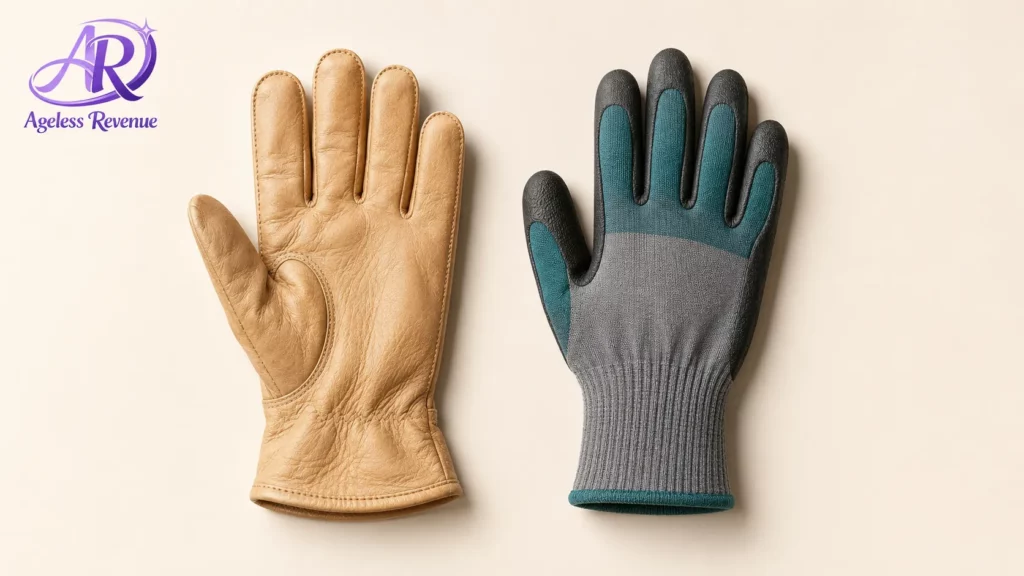
Traditional cowhide leather gardening gloves are durable and puncture-resistant, but they’re also stiff, especially when new, and take a genuinely long break-in period to soften — time many arthritis sufferers don’t want to spend in discomfort.
Goatskin leather is naturally softer and more supple from the first wear, flexing more easily with finger movement. Synthetic leather blends and reinforced fabric gloves go even further in the flexibility direction, often at a lower price point, though they sacrifice some of the puncture resistance that thicker leather provides against thorns.
For most gardening tasks — planting, weeding, light pruning — the flexibility tradeoff is well worth it. If you regularly work with roses or heavily thorned plants, a hybrid design with reinforced fingertips over a flexible palm is worth seeking out specifically.
Closures: The Small Detail That Makes or Breaks Usability
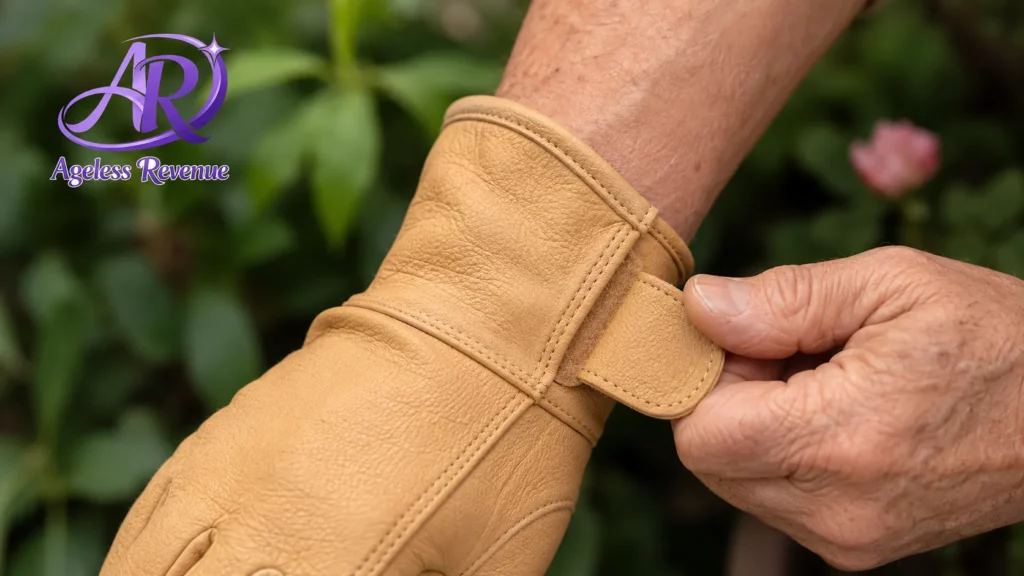
This is a detail that’s easy to overlook until you’re standing in the garden trying to fasten a tiny button with fingers that don’t want to cooperate.
Velcro cuff closures are the most forgiving option — a single motion to fasten or remove, with no fine motor control required. Elastic cuffs go even further, requiring no fastening step at all, just pulling the glove on and off. Avoid gloves with small metal snaps or buttons at the wrist if hand dexterity is a genuine daily concern; they’re a small feature that causes outsized frustration.
Palm Padding: Protecting Against a Different Kind of Strain
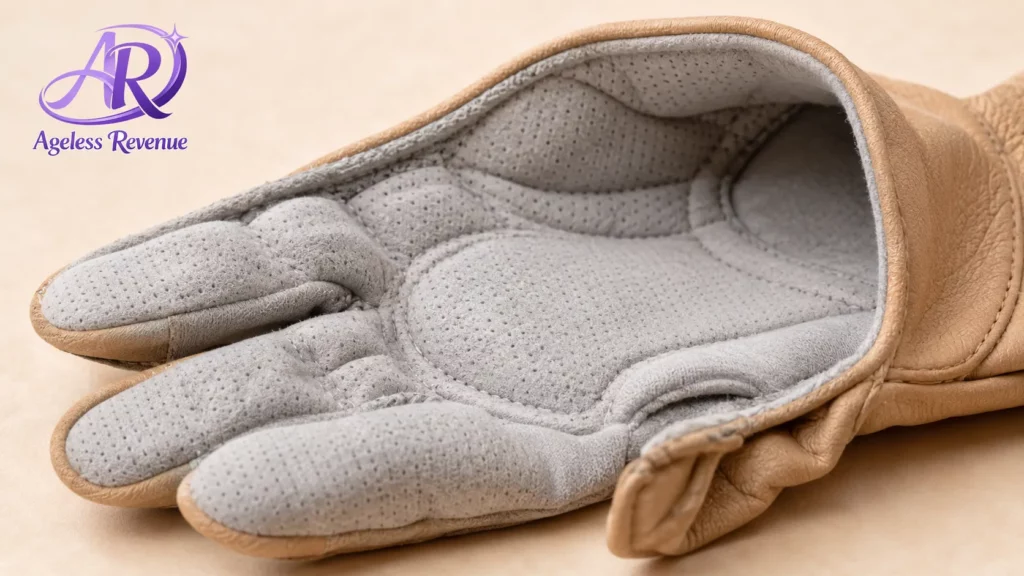
Gloves are usually thought of as protecting hands from dirt, thorns, and blisters, but a padded palm serves a different, less obvious purpose for arthritic hands: cushioning the repeated impact of gripping a tool handle.
Look specifically for gloves described as having a padded or cushioned palm, not just a reinforced one — reinforcement is about durability, while padding is about comfort during use. This distinction matters enough that it’s worth reading a product description carefully rather than assuming “reinforced” and “padded” mean the same thing.
Breathability and Washability: Practical Details Worth Checking
Two smaller factors round out a good buying decision. Breathable fabric backing (rather than solid rubber or vinyl) matters if you garden in warmer weather or for longer sessions, since sweaty hands inside a non-breathable glove become uncomfortable quickly.
Machine-washable gloves are worth prioritizing too — leather gloves generally need spot cleaning only, while fabric and synthetic-blend gloves can often go straight in a washing machine, which matters more than it sounds once a glove has a season of dirt and plant residue worked into it.
A Few Specific Options Worth Trying
For maximum flexibility with good durability: Goatskin leather gardening gloves with a Velcro wrist closure are widely available and consistently recommended for arthritis specifically, offering the best balance of softness and puncture protection.
For the most affordable, forgiving option: Synthetic leather-and-fabric hybrid gloves with an elastic cuff and padded palm are typically the least expensive entry point into genuinely comfortable gardening gloves, though they wear out somewhat faster than leather.
For rose gardening and thorny plants: Look for reinforced-fingertip designs that keep a flexible palm and back-of-hand material while adding puncture resistance specifically at the fingers, where thorns cause the most trouble.
For hot-weather gardening: Breathable fabric-backed gloves with mesh panels across the back of the hand keep hands notably cooler during longer sessions than solid leather or vinyl options.
Expect to pay $15 to $35 for a genuinely good pair in this category — cheaper gloves tend to stiffen and lose shape within a single season, which often ends up costing more in repeat purchases than buying a better pair upfront.
The Arthritis Foundation has general joint-protection guidance for daily tasks that’s worth reviewing alongside your glove choice, particularly around minimizing repetitive gripping motions.
The Hospital for Special Surgery also publishes a detailed, hand-therapist-written guide to assistive devices for arthritic hands, useful if you want to understand the joint-protection reasoning behind glove design more deeply.
Frequently Asked Questions
What’s the single most important feature in a garden glove for arthritis? Fit through the fingers, specifically. A glove that fits well everywhere else but pinches or bunches at the finger joints will still cause discomfort during use, so try the fist-and-spread test before buying if possible.
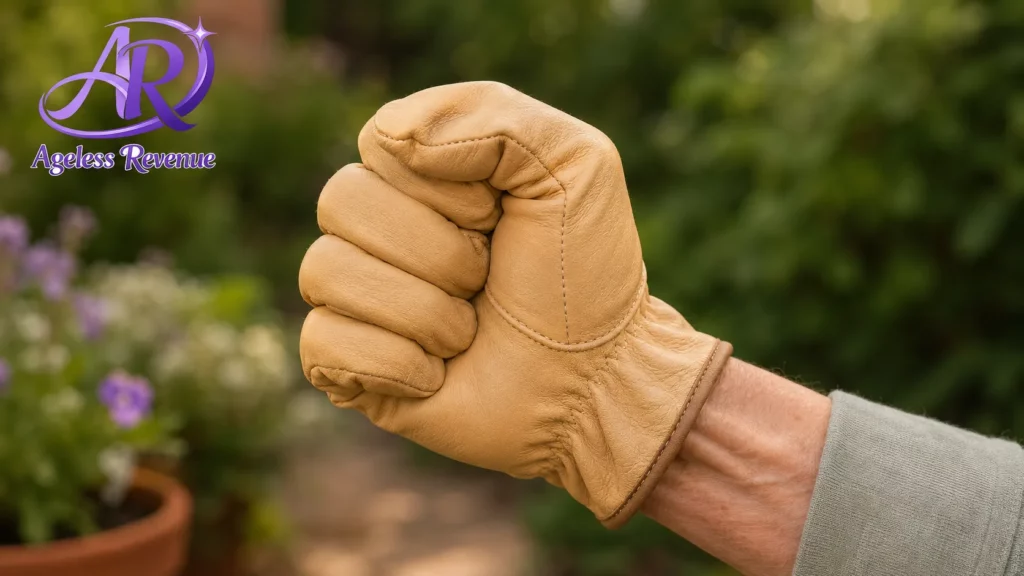
Should I buy leather or synthetic gloves? Goatskin leather offers the best combination of flexibility and durability for most gardening tasks. Synthetic blends are more affordable and even more flexible from day one, but wear out somewhat faster.
Do padded-palm gloves actually make a noticeable difference? Yes, particularly during tasks that involve gripping a tool handle repeatedly, like digging or pruning. The padding cushions that repeated impact in a way that a simply reinforced (but not padded) palm doesn’t.
How much should I expect to spend on a good pair? Plan on $15 to $35 for gloves genuinely designed with arthritis-friendly features. Less expensive gloves are available but tend to stiffen and lose shape faster, often needing replacement sooner than a better initial purchase.
Can I machine-wash my garden gloves? Fabric and synthetic-blend gloves usually can be, which is worth checking the product description for. Leather gloves generally should only be spot-cleaned, since machine washing can dry out and stiffen the leather.
Will these gloves also help with conditions other than arthritis, like carpal tunnel? Yes — the same features that help arthritic hands (softer materials, better finger fit, less required grip force to open and close) benefit anyone dealing with reduced hand strength or dexterity, regardless of the specific cause.
The Bottom Line
The right pair of gardening gloves shouldn’t be something you’re fighting with — they should disappear into the background so you can focus on the garden itself. Prioritize fit through the fingers and an easy closure, and the rest follows from there.
Pair the right gloves with tools designed the same way. See our full guide to ergonomic garden tools for arthritis for the trowels, pruners, and cultivators that complement a good pair of gloves.