Best Raised Garden Beds for Seniors with Limited Mobility (2026)
Affiliate Disclosure: This post contains Amazon affiliate links. As an Amazon Associate, I earn from qualifying purchases. I only recommend products I’d genuinely suggest to a friend.
Benefits of Raised Garden Beds for Seniors
If bending over a garden bed leaves your back aching for the rest of the day, you are not alone — and you don’t have to give up gardening because of it. The right raised garden bed for seniors can bring your whole garden up to a comfortable working height, so you can plant, weed, and harvest without ever getting down on your knees.
This guide walks through exactly what to look for, the height and material choices that matter most, and a few specific picks worth considering depending on your space and budget.
TL;DR
- The single most important factor is height — 24 inches eliminates most bending, and 28–36 inches with open clearance underneath is the range to look for if you garden from a wheelchair or scooter.
- Cedar and galvanized steel are the two materials worth considering; cedar looks better and needs no sealing, and steel lasts longest with zero rot risk.
- Beds with a wide, flat top rail double as a seat, which matters more than people expect once stamina becomes the limiting factor rather than strength.
- Assembly difficulty varies enormously between kits — this is worth checking before you buy, not after the box arrives.
- Budget realistically from under $100 for a basic ground-level kit to $300+ for a tall, wheelchair-accessible elevated bed.
Why Height Is the Only Decision That Really Matters
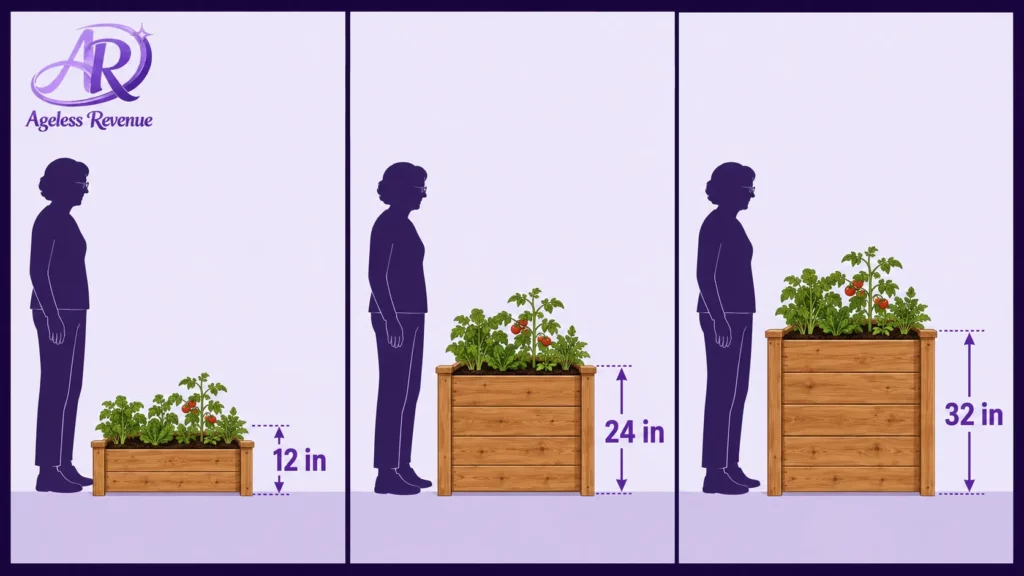
Every other feature on a raised garden bed is secondary to height. A bed that sits at 24 inches or taller brings the soil up close enough that you can work from a standing position, or seated on the edge, without stooping.
For most seniors managing hip, knee, or back discomfort, 24 inches is described as the practical sweet spot — enough relief from bending, without the bed towering awkwardly over the rest of a yard or patio. If you experience more significant pain, or you’d simply rather never bend at all, 30 to 36 inches removes the need almost entirely.
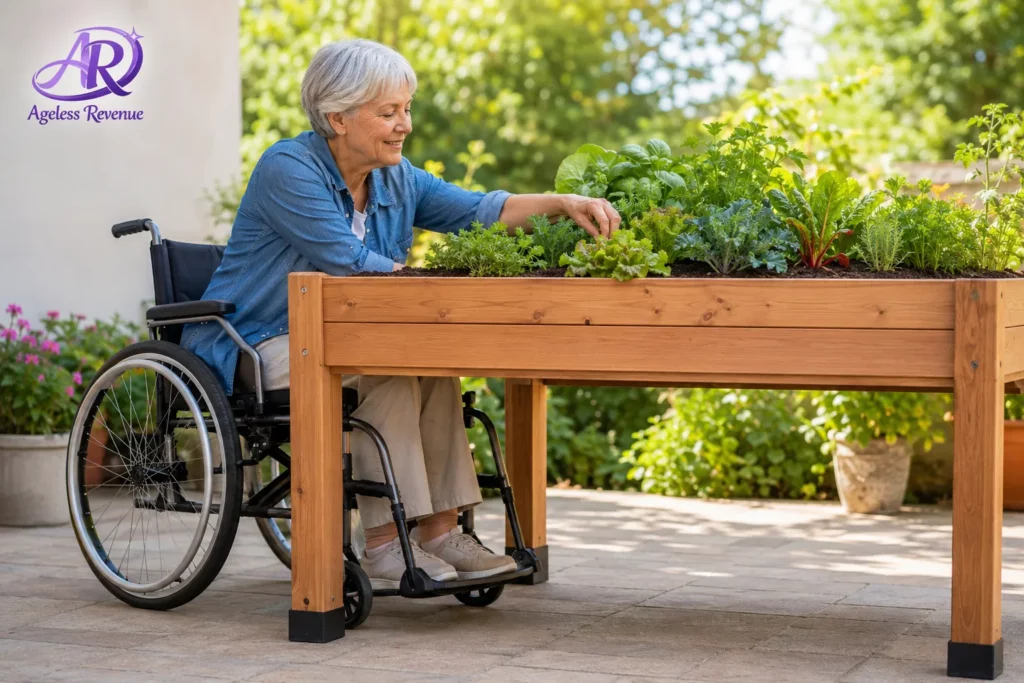
If you garden from a wheelchair or mobility scooter, the number that matters isn’t just the bed’s height — it’s the clearance underneath it. Look for beds built with an open framework at 28 to 36 inches, with enough clearance for a wheelchair to roll directly underneath. That positions the soil surface within comfortable reach from a seated position, rather than out in front of you at an awkward stretch.
See our full guide to ergonomic garden tools for arthritis
Cedar vs. Galvanized Steel: Which Material Actually Matters for You
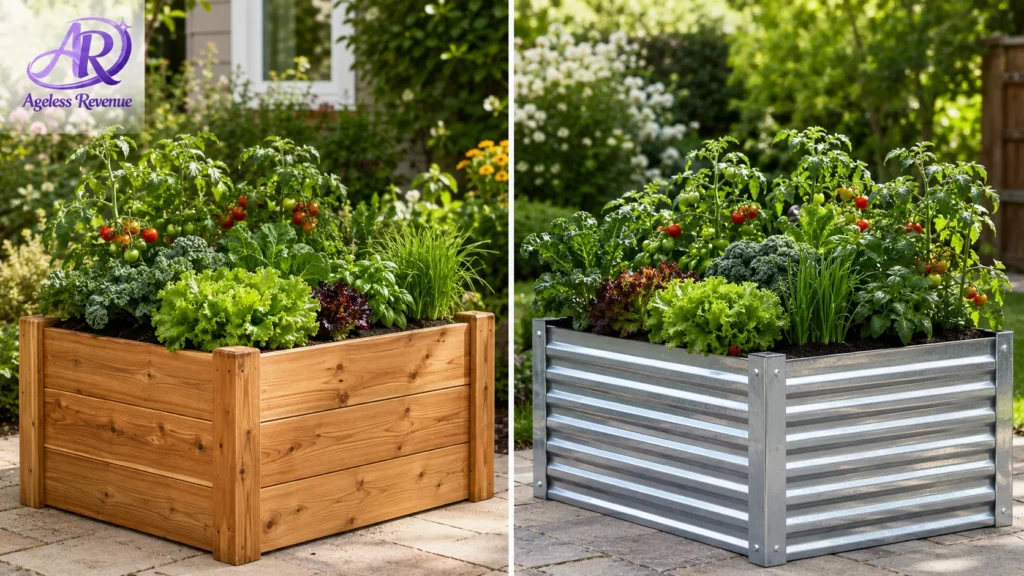
Two materials dominate the senior-friendly raised bed market, and each has a genuinely different case for itself.
Cedar is naturally rot-resistant, needs no chemical treatment or sealing, and has the classic warm garden look most people picture. A well-built cedar bed can last a decade or more without needing to be rebuilt, though it will weather to a silvery grey over time unless you choose to reseal it.
Galvanized steel beds, often finished with a powder coating rated for outdoor use, are the longest-lasting option — many are rated for 15 to 20+ years without rusting through. They’re also lighter than they look, which matters if you’ll ever need to reposition a bed. The tradeoff is a more utilitarian appearance, and thinner steel models can dent if handled roughly.
Composite (recycled plastic and wood fiber) beds are a third option worth a quick mention — they won’t rot or rust, but they tend to sit at the lower end of the height range and cost more per square foot of growing space than either wood or steel.
Soil Depth: Deeper Isn’t Always Better for a Senior-Friendly Bed
It’s tempting to assume more soil depth is always an improvement, but for wheelchair users especially, that’s not quite right. If the bed is too deep, the far side becomes hard to reach without leaning or stretching, which defeats the purpose.
For most vegetables, herbs, and flowers, 12 inches of soil depth is genuinely sufficient. Root vegetables like carrots and parsnips do better with 18 inches or more, but if wheelchair accessibility is your priority, many experts recommend keeping planting depth at 12 inches or less so the back of the bed stays within comfortable reach.
Not sure what to plant yet? Read our container gardening guide for seniors
The Feature Nobody Mentions: A Top Rail You Can Sit On
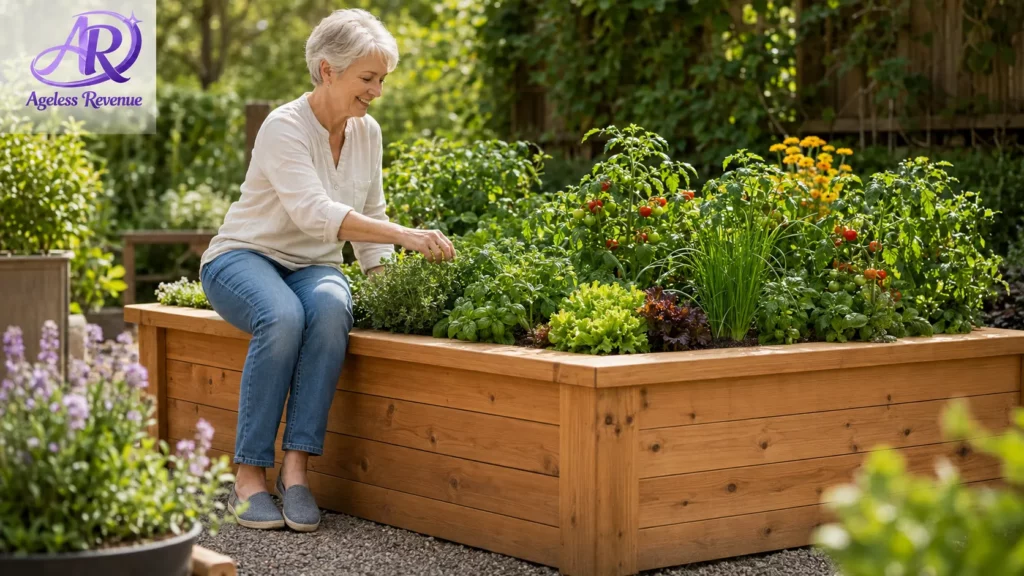
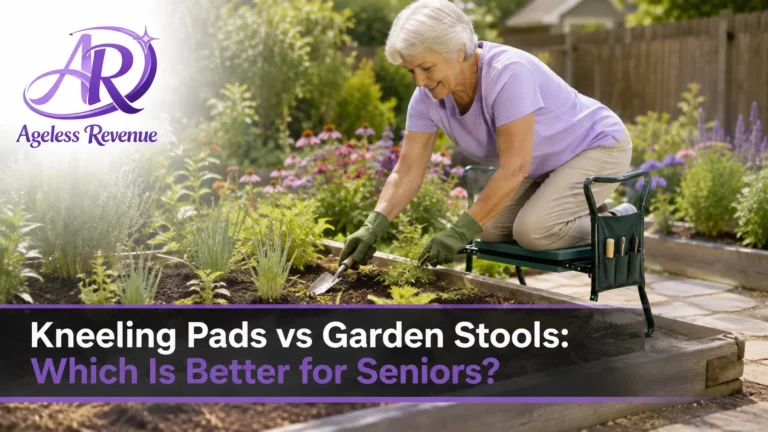
Some of the best-designed raised beds for seniors include a wide, flat top rail — sturdy enough to sit on comfortably while you work. This turns out to matter more in practice than almost any other feature on this list.
Stamina, not strength, is often the real limiting factor for a longer gardening session. Being able to sit on the edge of the bed, rest for a few minutes, then keep planting or weeding without walking away to find a chair extends how long you can comfortably stay out in the garden. If you know you tire during activities, prioritize this feature over almost anything else on this list.
Fixed vs. Modular vs. Wheeled: Picking the Right Format
Fixed elevated beds are the simplest option — one frame, one height, set it and leave it. They’re the most affordable per square foot and the sturdiest option if stability matters most to you.
Modular systems use interlocking panels that let you start small and expand later, or reconfigure the layout if your mobility needs change — widening paths, opening a corner for wheelchair access, or adding a height extension.
Wheeled beds let you reposition the entire garden to chase sunlight through the season, or move it out of the way entirely. The tradeoff is a slightly higher price and, on some models, a lower weight capacity than fixed designs.
Curious how much upkeep any of these actually takes? See our guide to self-watering planters.
Assembly: The Detail That Ruins More Purchases Than Anything Else
This is the part almost no one mentions until it’s too late: some raised bed kits are genuinely difficult to assemble, involving multiple panels, screws, brackets, and careful alignment on uneven ground. For a senior setting this up alone, that can be the entire project stalling before soil ever goes in.
Before you buy, check reviews specifically for assembly difficulty, not just the finished product. Look for kits described as tool-free or slide-together — interlocking cedar panel systems are usually the easiest, while multi-panel galvanized steel kits with dozens of bolts tend to be the hardest. If you’re ordering for a parent or older relative, consider doing the assembly yourself as part of the gift.
A Few Specific Options Worth Looking At
For a simple, no-tools cedar kit: Look for slide-together interlocking cedar panel beds around 30–31 inches tall — no power tools required, and one person can typically assemble it alone in under an hour.
For maximum longevity: Steel raised beds from brands like Vego Garden use a coated steel substrate designed to resist rust for 20+ years, a strong choice if you want to set it up once and never think about replacement.
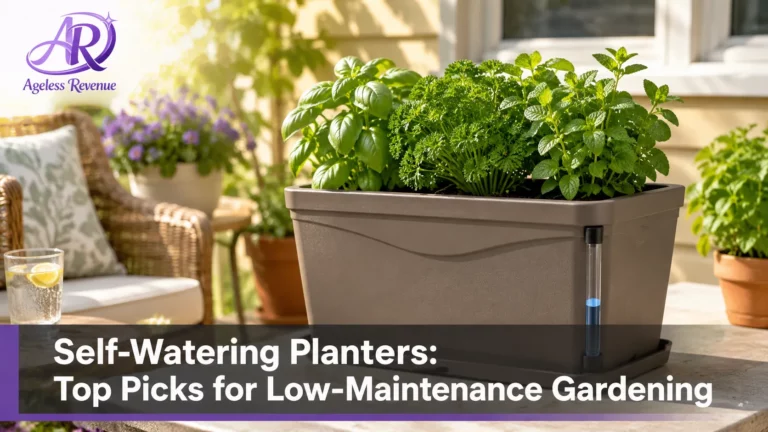
For small patios and self-watering convenience: Compact elevated planters such as the Keter Urban Bloomer line include a built-in water reservoir and gauge, which reduces how often you need to water — worth a look if daily watering isn’t realistic for you.
For tiered, space-efficient growing: Vertical tiered planter systems work well on a small balcony, though the shallower depth per tier means sticking to shallow-rooted herbs and greens rather than root vegetables.
Prices for raised beds in this category typically range from under $100 for a basic ground-level kit up to $300 or more for a tall, wheelchair-accessible elevated model — always check current pricing and reviews before buying, since availability shifts often.
According to the National Institute on Aging, regular light physical activity like gardening supports balance, flexibility, and mood in older adults — one more reason it’s worth investing in a setup that actually works for your body.
For a closer look at how professional horticulture educators think about accessible bed design, NC State Extension’s guide to accessible gardening covers raised beds, containers, and garden tables side by side, including material safety considerations worth reading before you build or buy.
Frequently Asked Questions
What is the best height for a raised garden bed for seniors? Most guidance points to 24 inches as the practical comfort height for standing or seated gardening with minimal bending. If you experience significant back, hip, or knee pain, 30 to 36 inches removes the need to bend almost entirely. Wheelchair users should look for 28 to 36 inches of open clearance underneath so the chair can roll directly under the bed.
Are raised garden beds actually worth the cost? For seniors managing mobility limitations, arthritis, or chronic back pain, most people who make the switch describe it as extending how many years they’re able to keep gardening comfortably. Budget-friendly options exist at nearly every price point, so it’s rarely an all-or-nothing decision.
Is cedar or galvanized steel better for a senior-friendly raised bed? Neither is objectively better — it depends on your priorities. Cedar looks more traditional and needs no maintenance for years, but will eventually need resealing or replacing. Galvanized steel lasts the longest with essentially no maintenance, but has a more utilitarian look.
Can I use a raised garden bed if I’m in a wheelchair? Yes. Look specifically for beds advertised as wheelchair-accessible, with 28 to 36 inches of height and open clearance underneath rather than solid legs or a skirt around the base. This lets the chair roll directly under the planting surface.
How much soil depth do I actually need? Twelve inches is enough for most vegetables, herbs, and flowers. Root vegetables like carrots benefit from 18 inches or more, but if wheelchair reach is a priority, staying at 12 inches or less keeps the far side of the bed within comfortable reach.
Do I need to assemble these myself? Most kits ship flat and require assembly, and difficulty varies enormously between models. Read assembly-specific reviews before buying, and consider asking a family member to help with setup if the model you choose involves more than basic slide-together panels.
The Bottom Line
A well-chosen raised garden bed can be the difference between giving up gardening and enjoying it for another decade. Prioritize height first, sitting-edge design second, and realistic soil depth third — the rest is personal preference.
Ready to plan what actually goes in the bed once it’s set up? Read our container gardening guide for seniors next for pot and planter recommendations that pair well with any raised bed setup.