
Last Updated on 4 months ago by Gila
New here? Start with Affiliate Marketing 101, grab the Starter Kit, validate ideas with this guide, and get WA training tips.

Why an Online Business Plan Really Matters
A short, clear plan turns ideas into action. It helps you decide who you serve, what you’ll offer, and how you’ll reach people—without wasting time or money. With a written plan, you can set priorities, measure progress, and adjust calmly when trends or tools change. Think of it as a simple map: you won’t follow it perfectly, but it keeps you moving in the right direction.
TL;DR – Online Business Plan for Retirees
- A simple online business plan for retirees helps you decide who you serve, what you offer, and how people will find you.
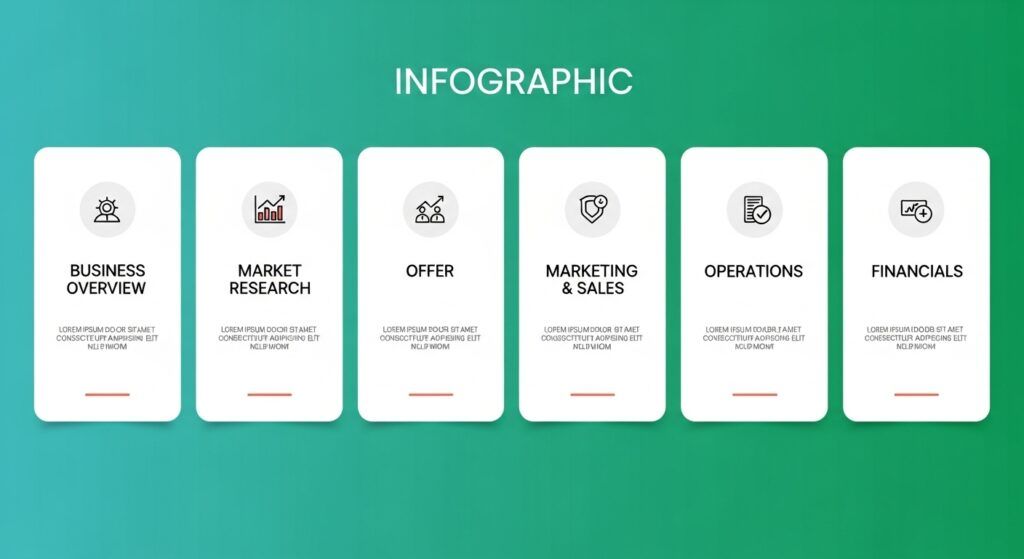
- Focus on a few key pillars: business overview, market research, offers, marketing and sales, operations, and finances.
- You do not need a long, formal document. A one-page outline that you update every few months is enough to guide your next steps.
- Your goal is not to predict everything perfectly, but to choose a clear direction, launch a simple version, and improve calmly as you learn.
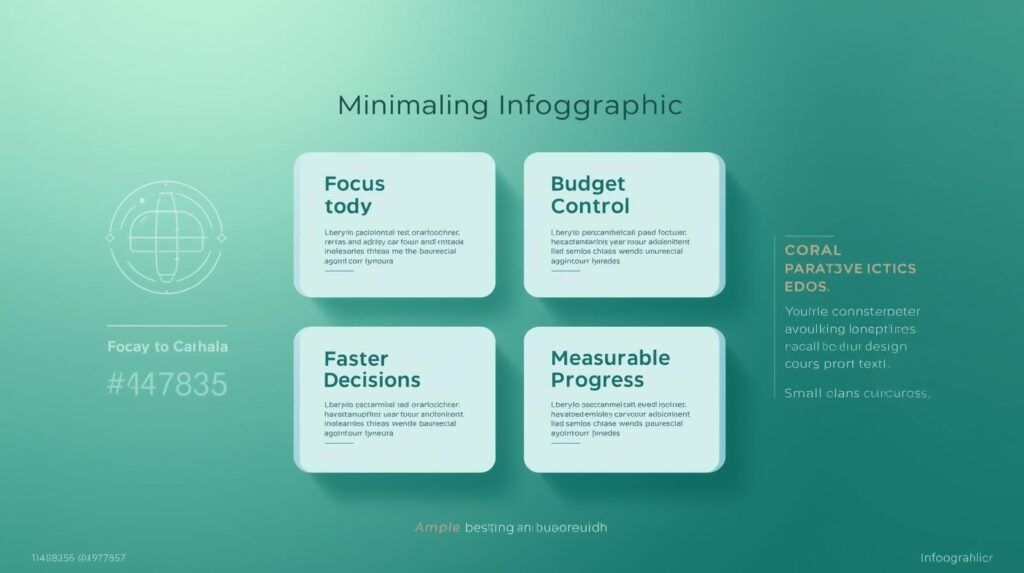
Main Pillars of a Strong Online Business Plan
Planning doesn’t have to be complicated. You’ll make better, faster decisions if you cover these basics: who you help, what you sell, how people find you, how you deliver, and what it costs to run. Revisit these pillars every few months and tighten them as you learn.
Once you understand these pillars, you can use a few related guides to turn them into a practical, written plan:
- Online Business Plan Template: Simple 1-Page Guide (2025) — fill-in-the-blanks version of this plan on a single page.
- Top 10 Online Business Ideas Perfect For Retirees (2025) — choose an idea that actually fits your lifestyle and energy.
- Business Idea Questions: 25 Essential Checks for Beginners (2025) — test your idea before you commit.
- How To Validate Your Online Business Idea: A Step-by-step Guide — make sure there is real demand before investing time and money.
Business Overview
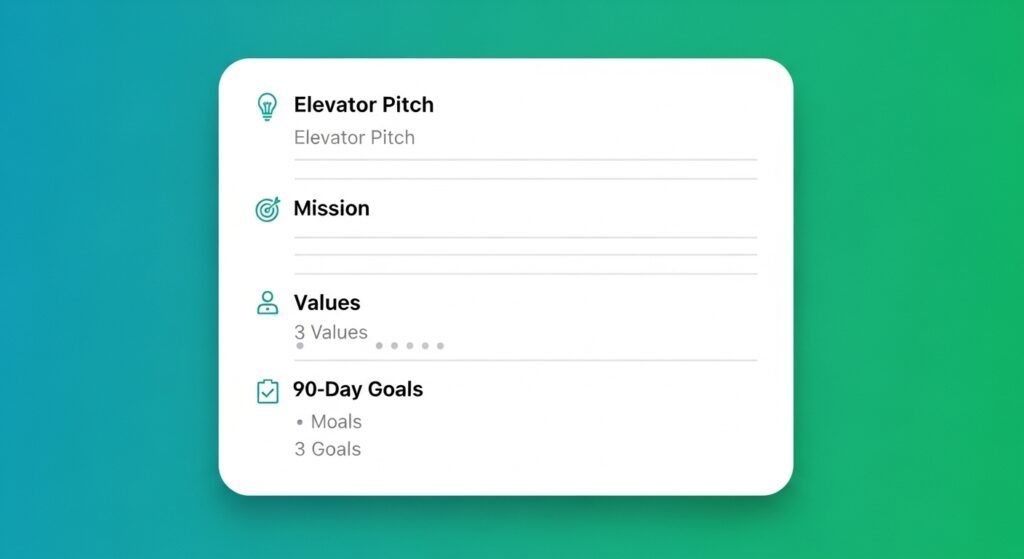
Summarize your business in one or two sentences people can repeat. Add a short mission (“why we exist”), a few values that guide how you work, and 90-day goals so you know what to ship next. This keeps daily tasks aligned with your bigger purpose.
Market Research
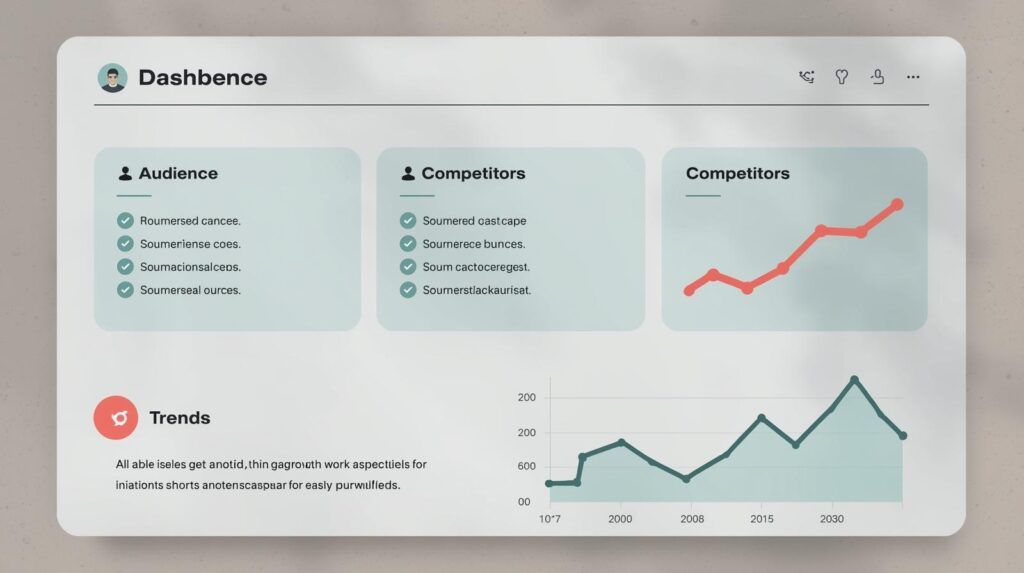
Know your audience and the landscape. Sketch a simple persona (age range, interests, habits, pains). List 3–5 competitors and where they’re strong or weak. Note a few trends you see in groups, search results, or reviews. This prevents you from building in the dark and reveals quick wins you can act on.
For a deeper dive into market research that stays beginner-friendly, especially if you are building an online business in retirement, read this next:
The Best Ways To Conduct Market Research For Your Online Business
Use it together with this online business plan so your decisions come from real questions, real reviews, and real behavior—not just guesses.
Products or Services
List what you’ll offer, how it’s different, and how people receive it (download, course access, shipping, etc.). If you’re still testing, keep it lean: start with one core offer and a clear outcome. Add a basic pricing idea or tiers so you can talk about value with confidence.
Marketing and Sales Strategy
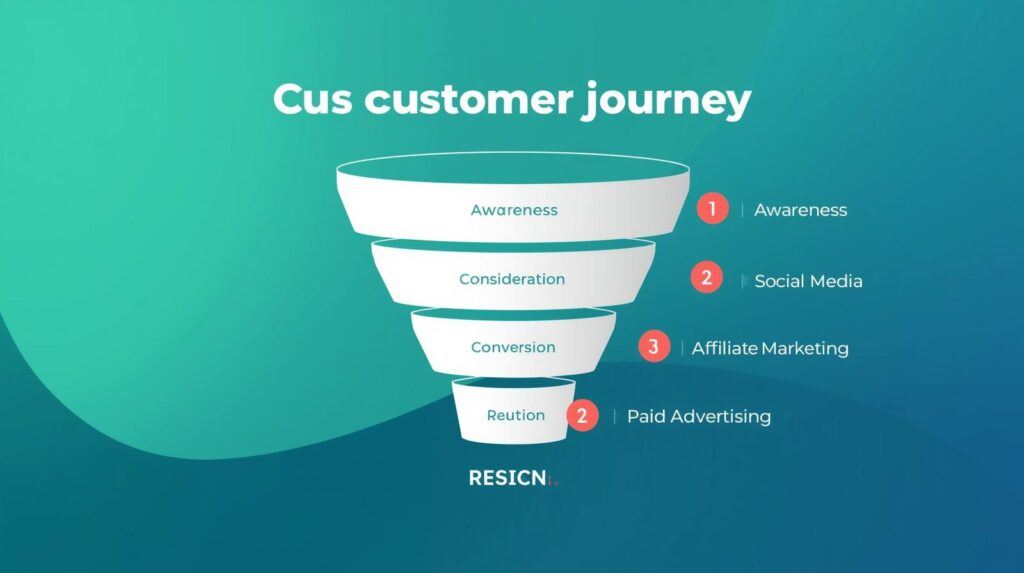
Choose two channels to start (for example: SEO + email, or social + affiliate). Decide how you’ll turn visitors into customers: a helpful article → a relevant lead magnet → a simple email sequence → a clear offer. Keep your message consistent across posts, pages, and emails so people instantly recognize what you do.
Operations Plan
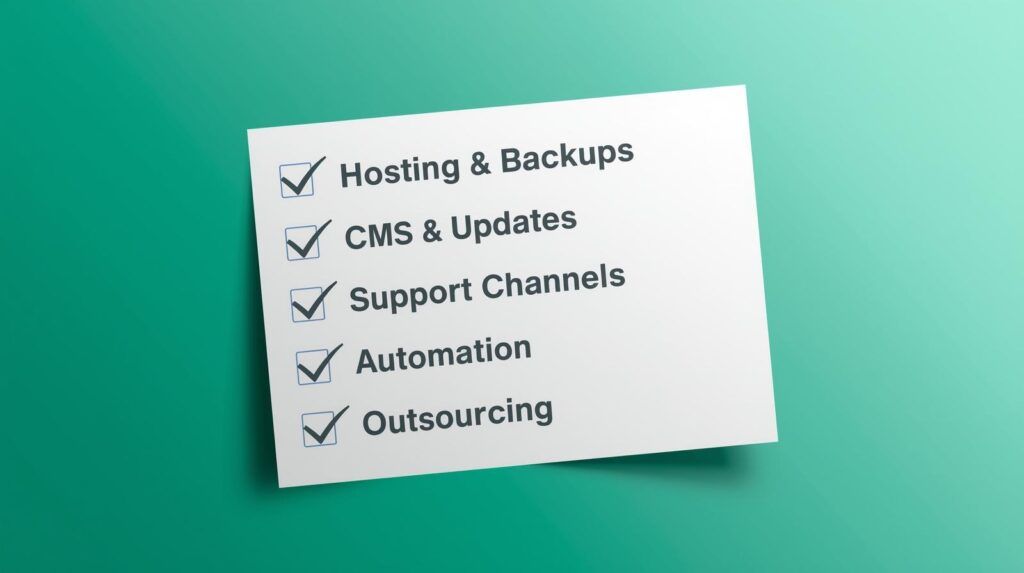
List the tools and routines that keep the lights on: website platform, backups, updates, delivery method, refund policy, and support. Add one or two small automations (like welcome emails or basic FAQs). If a task repeats often and drains your energy, document it or outsource a slice of it.
Financial Plan
Estimate startup and monthly costs, then sketch how you’ll break even. Track just a few numbers at first (traffic, subscribers, conversion rate, revenue). A simple spreadsheet is enough. Review these monthly so you can double down on what’s working and cut what’s not.

Practical Planning Steps to Launch Effectively
- Define your offer + audience: one sentence each.
- Research quickly: scan competitors, forums, and reviews for pains and questions.
- Pick your platform + tools: choose what matches your offer (no tool hoarding).
- Ship a simple version: publish core pages, 3–5 helpful posts, and one opt-in.
- Promote lightly but consistently: a weekly article and one email is plenty.
- Measure and adjust: review key numbers monthly and refine one thing at a time.
Common Mistakes Worth Avoiding
- Trying to serve “everyone”: define a clear reader and a specific problem.
- Launching too fast with gaps: test checkout, contact, and signup before you announce.
- Forgetting ongoing costs: subscriptions and ads add up—budget for them.
- Slow support: save a few email snippets to reply quickly and kindly.
Useful Tools for Building Your Online Business Plan
Keep it simple: organize notes in Google Docs or Notion, design graphics in Canva, use a basic plan template if you like, and try Ubersuggest or similar tools to find the language your audience uses. Start with free options and upgrade only when the free version holds you back.
Frequently Asked Questions
Do I need a long, formal plan?
Not at all. A one-page outline is enough to guide your first 90 days.
How often should I update it?
Every few months, or whenever your goals or offers change.
What’s different about an online plan?
More emphasis on digital marketing, website operations, remote support, and how you deliver value online.
Helpful External Resources for Disclosures & Helpful Content
Wrapping Up
Write a simple plan, launch a small version, and learn in public. Revisit your pillars regularly, and improve one piece at a time. Clarity and consistency—not complexity—are what make an online business durable.
Turn Your Plan Into Calm, Consistent Action
A written online business plan for retirees is not about impressing a bank manager. It is a simple map that keeps your ideas, offers, and daily tasks pointed in the same direction.
- Capture your business overview, audience, offers, and traffic channels in plain language.
- Start with a one-page version and revisit it every few months as you learn.
- Treat your plan as a living document, not a rigid contract.
If you would like a printable checklist to keep by your desk while you build, download my free Affiliate Marketing Starter Kit for Retirees. It helps you turn this plan into a calm, step-by-step workflow.
Hey a great post you have here!
Learning about making money online is something with many want to learn about, I mean who doesn’t want to be able to work from the comfort of their own home.
Running a successful business requires a lot of patience as well as dedication. There are also a few elements which need some practicing such as social media marketing along with others.
Thanks again and have a great day!
Hi Sariya,
Thank you so much for your kind words—I’m really glad you enjoyed the post! You’re absolutely right: making money online is a dream many people share, but as you pointed out, it definitely takes patience, dedication, and a willingness to keep learning.
Social media marketing is a great example—it can be powerful, but it takes time to find your voice and build real connections. The good news is, with consistent effort and the right strategy, it gets easier and more effective over time.
Wishing you all the best on your journey—thanks again for stopping by!
Warmly,
Gila
What I have come to discover over the years is you can have a business plan which is the first step in the right direction because a business plan is your map or blue print for you to have and idea that will lead to a clearer understanding of where you are going but a business plan though sound will change along the way because adjustment will be needed in oder words all business plans have to make some reajustements and this only happens as the plan is being worked which is good because these adjustment are eye openers that will lead to success.
Hi Norman,
Thank you for sharing your insights—you’re absolutely right. A business plan is a powerful starting point, but it’s not set in stone. I love how you described it as a map that evolves with the journey. That flexibility and willingness to make adjustments along the way are key to long-term success.
It’s those real-world experiences and “eye openers,” as you put it, that help refine our direction and make our businesses stronger. I really appreciate you adding that perspective to the conversation—great advice for anyone getting started!
Wishing you continued success on your path,
Gila