

The Do’s and Don’ts of Niching Down Your Online Business
Niching down your online business makes content easier, rankings faster, and income steadier.
Finding the perfect niche for your online business can really make a difference in your growth and how you connect with your audience. A focused niche helps your brand stand out while making your marketing and product creation much more straightforward. If you’re starting out or thinking about narrowing your focus, there are a few things that can help you avoid common mistakes and increase your chances of success.
Here, I’ll go through some practical do’s and don’ts of niching down so your online business can thrive.
If you’re brand new here, start with Getting Started With Affiliate Marketing as a Retiree, grab the Starter Kit, validate your idea with this guide, and get WA training tips.
Affiliate disclosure: This post contains affiliate links. If you buy through them, I may earn a small commission at no extra cost to you.
TL;DR
Niching down your online business means choosing one clear audience and problem so your content, offers, and marketing all pull in the same direction.
- List your interests, skills, and real-life experience before chasing “hot” niches.
- Check that your niche has demand: active groups, search volume, and products already sellin.g
- Get specific, but not tiny — avoid trying to reach “everyone” or only a handful of people.
- Run a tiny validation test: one-page landing, a trickle of traffic, and simple sign-up or click goals.
- Start with a focused content plan (3–5 hubs with 4–6 spokes each) that solves real problems.
- Stay flexible: refine your niche as you learn, instead of pivoting wildly every week.
The Big Picture: Why Niching Down Your Online Business Matters
Niche down your online business by focusing on a specific audience or product category, rather than trying to appeal to everyone. A narrower focus gives you a better shot at standing out in a crowded market.
Big online businesses such as Zappos or Etsy started with highly defined niches before expanding their success. As the e-commerce world keeps growing, having a unique angle makes connecting with your ideal customer more manageable and cost-effective.
Picking a niche isn’t about boxing yourself in. It’s about making your efforts more efficient by serving a group of people with shared needs or interests. When you know who you’re talking to, things like product development, advertising, and even website copy become a lot less stressful. You can focus resources where they matter most and build trust faster with your customers.
As online markets get more crowded, customers expect tailored experiences and solutions. By focusing on a particular group, you’re able to truly speak their language, step up the value you offer, and create community. This all makes your marketing dollars stretch further, as you’re reaching people who not only are more likely to buy, but are also more likely to become loyal fans who tell their friends.
Benefits: faster SEO, easier content, higher conversions, compounding trust.
Getting Started: How to Find Your Ideal Niche
Once you start brainstorming niches, How to Choose and Validate Your Affiliate Niche walks through this process step by step. The points below add a few extra angles worth considering alongside that guide.
Start by asking yourself what you’re genuinely interested in and what skills or insights you can offer. Research trends and gaps — Google Trends and keyword research tools make this pretty simple. Look at online communities and forums to see what problems people need solved. Even reading Amazon reviews can spark a profitable idea.
A niche should feel natural to you. It’s not just about profitability — it’s also about sustainability. Picking something you like makes it easier to stick with it for the long run.
Start by listing out your interests, skills, or passions. Group them by industry, and ask yourself:
- Who needs this? Can you clearly see a group of people with this problem or interest?
- Can I offer something different? Is there a way to do it better, faster, or in a more unique way?
- Is there evidence of demand? Are people searching for solutions, or are there products already selling?
Do’s and Don’ts of Choosing and Building Your Niche
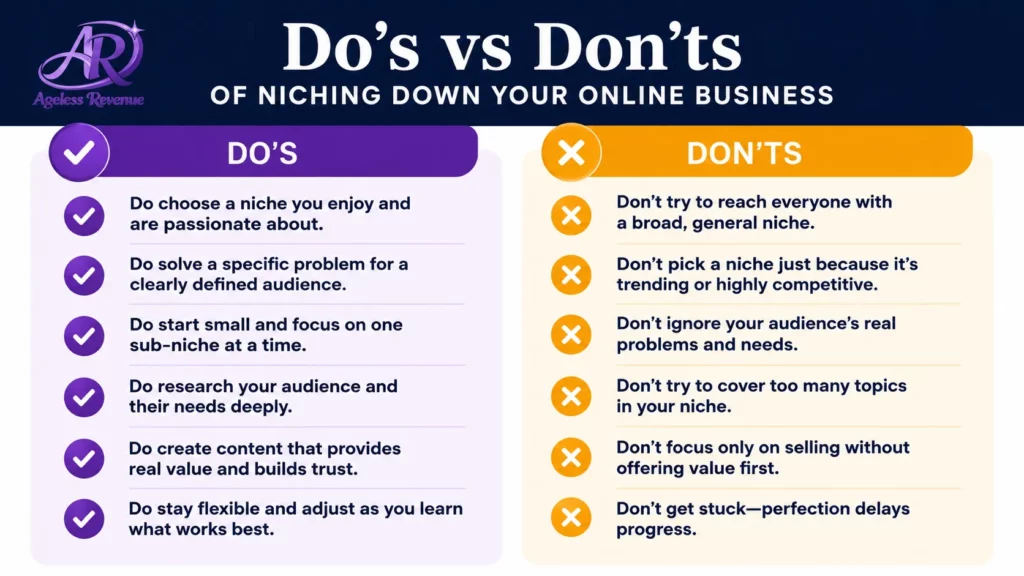
There’s no one-size-fits-all blueprint, but sticking to some tried-and-true do’s and don’ts makes the adventure smoother.
As you narrow your niche, Pros and Cons of Different Online Business Models is worth reading alongside this to see how different models behave over time.
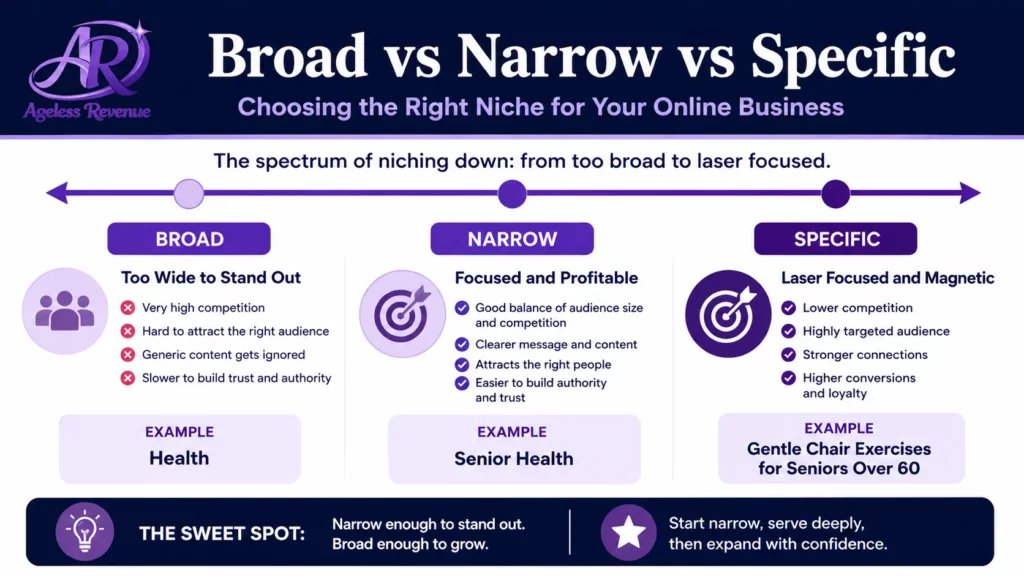
Do: get specific. Go beyond broad topics. Instead of “fitness,” go for something like “at-home low-impact workouts for retirees with knee concerns.” The more focused you are, the easier it is to become a go-to resource.
Don’t: make it too narrow. If only a handful of people are interested, it can be tough to turn a profit. Make sure your audience is big enough to grow with.
Do: validate your idea. Check search volumes, forum activity, and social media trends. Try running a small ad test to gauge interest, or launch a simple landing page to test the waters.
Don’t: ignore the competition. Competition is a sign of demand, so don’t be scared off if others are doing well in the space. Instead, look at what they lack and where you can shine.
Do: solve real problems. Businesses grow faster when they address actual pain points. Listen for problems in Facebook groups, product reviews, or Reddit communities.
Don’t: choose based on fads alone. Chasing trends can work, but it’s risky. If you’re not genuinely interested and the trend fizzles, motivation and profits might drop off fast.
When you’re narrowing down, run some quick tests. You could post in relevant forums and ask for opinions, test interest with a quick survey, or check out similar products’ reviews and see what people love or hate. Validating early can help avoid wasted effort later.
Common Pitfalls to Watch Out For
Even after you’ve picked a niche, there are a few easy mistakes to avoid.
Overcomplicating your product range. Offering too many products, especially before you’ve established yourself, can confuse customers. Start small, refine your core offer, and expand when you understand your audience better.
Trying to please everyone. Businesses that try to serve everyone often end up connecting with no one. It’s okay to turn some people away. Focusing on a specific community helps build loyalty and word of mouth.
Underestimating marketing needs. Even with the perfect niche, you need to consistently market and talk about your brand. Ditch the “build it, and they will come” mindset. Ongoing outreach is key.
Ignoring feedback. Early feedback helps shape your products and messaging. Regularly check in with your community and act on the things they say.
Practical Ways to Nail Your Niche
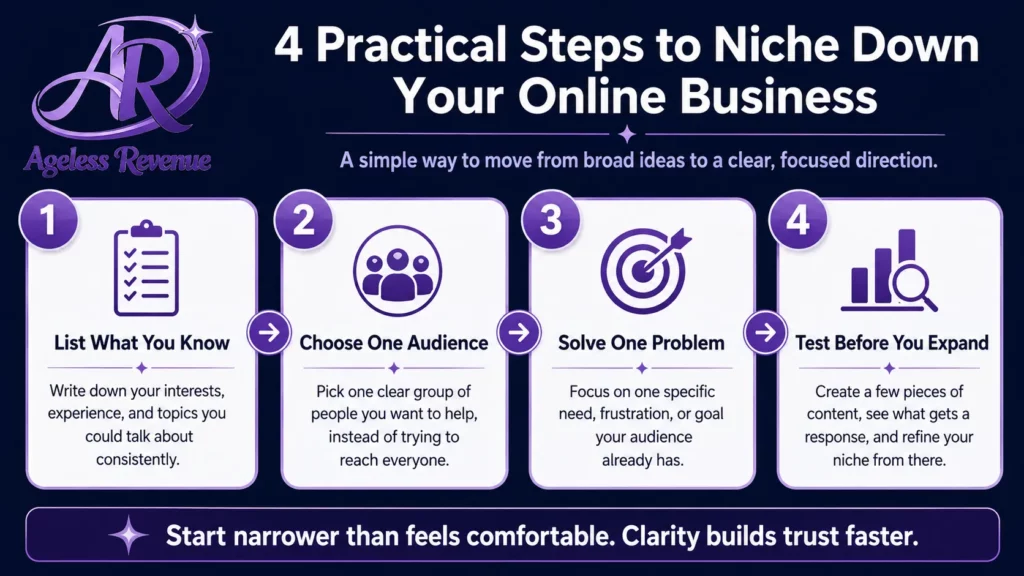
Once you’ve settled on your niche, focus on these steps to build momentum and set yourself up for real growth.
Plan 3–5 content hubs with 4–6 spokes each to guide your writing. When your niche is clear, the next step is building simple content and traffic systems around it — read Getting Started With Affiliate Marketing as a Retiree and From “What’s a Niche?” to First Sale: My 90-Day Beginner Success Story for the next steps.
Create persona profiles. Put together a simple description of who your ideal customer is. Give them a name, describe their problems, and keep this in mind when creating content or ads.
Focus your content strategy. Share genuinely helpful articles, videos, or social posts that address the needs of your audience. Answer questions they’re already asking with straightforward, practical advice.
Connect with your audience. Set up an email list, start a group, or join an existing community. Brands that feel accessible inspire more loyalty and trust.
Keep evolving. Don’t just set your business and forget it. Regularly size up new trends, competitor moves, and changing audience needs to refine your niche over time.
Challenges You Might Face (And What to Do)
Niching down isn’t always smooth sailing. Here are some hurdles that pop up most often.
Worrying about excluding people. It’s tempting to cast a wide net, but clear focus generally means a smaller audience that’s more likely to buy. Once you dominate your chosen niche, you can expand into closely related areas as your reputation grows.
Feeling boxed in. If you start to feel stuck, remember that most successful brands have grown by slowly adding related products or serving adjacent customer groups.
Market changes. Trends, technology, and demand can switch up quickly. Make a habit of monitoring discussion forums or industry reports to stay ahead of big changes.
Real-World Examples: Niches That Clicked
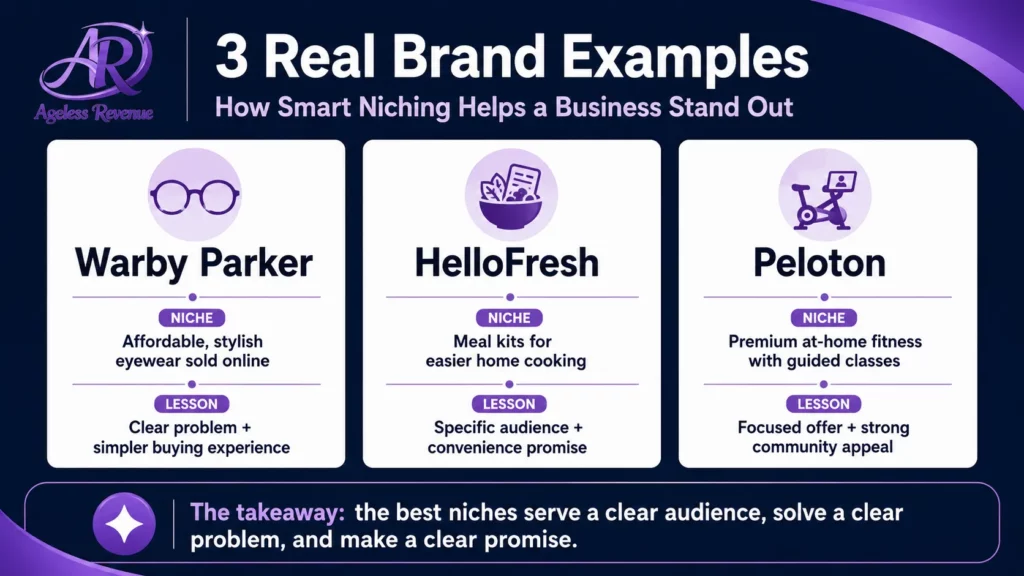
Planner companies for busy professionals. Businesses like Erin Condren grew by designing planners specifically for overwhelmed people juggling work and family. Community building and relatable products helped them expand from a tiny audience to a huge one.
Specialty dietary snack boxes. Companies that focus just on vegan, allergy-friendly, or gluten-free snack boxes tapped into audiences with very specific dietary needs and built strong recurring revenue through subscriptions.
Pet accessories for small dog owners. Designing harnesses, toys, and clothing for tiny dogs tapped into a passionate base usually overlooked by big pet shops focused on all breeds and sizes.
These examples show how starting small and specific can lead to bigger opportunities once you build trust and recognition.
Frequently Asked Questions
How do I know if my niche is too small?
Search for online groups, active social media hashtags, and existing products on major platforms. If you find lots of active discussion and purchase behaviour, it’s a healthy-sized market. If everything looks empty or abandoned, it may be worth broadening out a little.
What’s the fastest way to test a niche idea?
Try putting together a simple landing page and sending a small, targeted stream of traffic to it. Watch for signups, clicks, or pre-orders to see if there’s real interest. You can also post about your idea in relevant forums or groups and look for feedback.
Can I change my niche if it isn’t working out?
Yes. Many successful businesses pivot from their original niche. Use what you have learned about your audience and your own preferences to shift into an adjacent area, and be open with your readers about the change.
Wrapping Up: Smart Niching Is All About Clarity and Community
Niching down isn’t about limiting your future. It’s about making your marketing, messaging, and product creation clearer and more effective from the start.
When you really understand your audience, listen to what they need, and focus your efforts, you can build an online business that stands out and grows steadily. Stay flexible, keep an eye on what’s working, and stay connected to the people you serve.
Next Steps: Turn Your Niche Into Gentle Action
If this guide helped you see your niche more clearly, your next step doesn’t have to be big. Choose one audience, one problem, and one small promise you can make this month, and let that be your starting point.
To make things easier, download my free Affiliate Marketing Starter Kit for Beginners. It gives you calm, beginner-friendly checklists for choosing a niche, planning content, and tracking your progress without overwhelm.
If you’d like structured training, tools, and a friendly community while you build around your niche, start free with Wealthy Affiliate →. Their lessons and website platform pair well with the niching process in this article.
Helpful External Resources for Niching Down
- Google Trends — check interest and topic momentum
- AnswerThePublic — see real questions people ask in your niche
- Google Search Console — track how your chosen niche performs in search
This post contains affiliate links. If you buy through them, I may earn a small commission at no extra cost to you.




Niching down is one of the most powerful strategies for online business success, yet it’s also one of the most misunderstood. The biggest mistake people make is fearing that a narrower focus means fewer opportunities. In reality, it amplifies your authority and attracts a more engaged audience. However, the key is to find a niche that’s not just specific but also sustainable and profitable. Instead of choosing a niche solely based on passion, validate it by researching demand, competition, and monetization potential. But don’t box yourself in too tightly — allow room for growth and evolution as market trends change. How have you approached niching down in your business, and what challenges have you faced in the process?
Thanks for the insightful comment, AJnaval! You’re absolutely right — niching down is both a superpower and a stumbling block for many entrepreneurs. The fear of missing out on potential audiences can be paralyzing, but in my experience, focusing on a well-defined niche has actually opened more doors than it closed. It’s helped me build trust faster and create more targeted offers.
I learned (the hard way) that passion alone isn’t enough. I had to dig into keyword data, audience pain points, and revenue models to make sure my niche wasn’t just a personal interest — it had to make business sense too. The biggest challenge for me was balancing clarity with flexibility: defining the niche clearly while staying open to evolve as I gathered more feedback and data.
Curious — how did you validate your own niche, and have you ever had to pivot along the way?
Hi Gila,
This article really drove home the importance of finding a specific niche for an online business. I love how the author emphasized that niching down isn’t about limiting yourself, but rather about making your marketing and product development efforts more efficient and effective.
One point that really resonated with me was the idea of solving real problems for a clearly defined audience. By focusing on the unique needs and pain points of a specific group, you can create more compelling offers and build stronger connections with your ideal customers.
I’m curious to hear your thoughts on this approach. Have you had experience with niching down in your own online ventures? If so, what strategies did you find most helpful for identifying and serving your target market?
I also wonder if you think there are any situations where having a broader focus might be advantageous, at least in the early stages of an online business. While I agree that specificity is key for long-term growth, could casting a wider net initially help with testing and validating different niches?
Looking forward to hearing your perspective on this! I think this is such a crucial topic for anyone looking to build a thriving online brand.
All the Best,
Eric
Hi Eric,
Thank you for such a thoughtful and well-articulated comment! I’m really glad the article resonated with you—niching down is one of those concepts that can feel limiting at first, but as you noted, it actually opens the door to more focused and effective business growth.
To your question—yes, I’ve absolutely experienced the power of niching down in my own ventures. What helped me most was starting with a combination of personal interests and market research. I paid close attention to recurring questions in forums, common challenges shared in social groups, and even the gaps in content or services offered by competitors. From there, I tested small content pieces or lead magnets to see what clicked. That gave me great insight into where the real demand was.
And I completely agree with your point about casting a wider net in the early stages—it can be a smart move, especially when you’re still learning about your audience and refining your message. The key is to start broad with the intention of narrowing down. That way, you can explore a few directions without losing clarity on your core goal: to eventually serve a specific group in a powerful, authentic way.
Thanks again for contributing to the conversation with such valuable questions—I always appreciate hearing from thoughtful readers like you!
All the best,
Gila