
The Best Ways To Conduct Market Research For Your Online Business
Last Updated on 6 months ago by Gila
New here? Start with Affiliate Marketing 101, grab the Starter Kit, validate ideas with this guide, and get WA training tips.
Market Research for Your Online Business (Beginner-Friendly)
Doing market research for online business doesn’t have to be technical or expensive. The goal is simple: learn what people really want, the words they use, and the gaps your offer can fill. With a light process you can repeat, you’ll avoid guessing, save money, and make clearer decisions about content, products, and pricing.
TL;DR – Market Research for Your Online Business
- Market research for your online business is simply learning what people want, the words they use, and the gaps your offer can fill.
- Start with free tools: Google Search, People Also Ask, product reviews, groups, short surveys, and a few quick interviews.
- Use what you find to shape your content, offers, pricing, and tiny tests instead of guessing.
- Your goal is a light process you can repeat: a few research blocks each month that keep you close to your audience and give you clearer decisions.
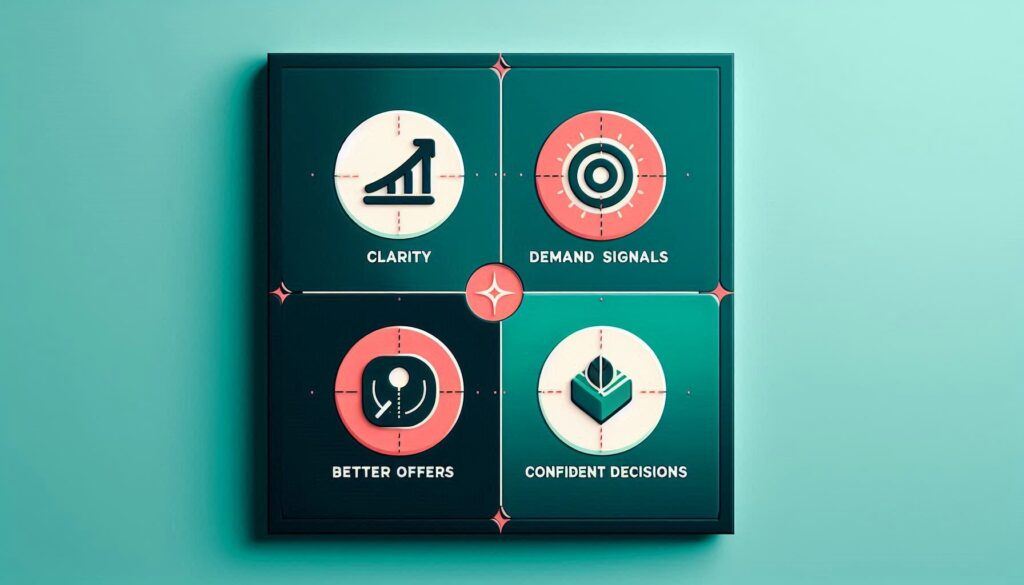
Your Simple Plan (Free First, Upgrade Later)
Start with free tools and real conversations. Use Google, product reviews, forums, and a short survey to collect signals. If you hit limits, add one paid tool at a time. Keep notes in a single doc or spreadsheet so patterns are easy to spot. Expect your first pass to take 5–7 short sessions (30–45 minutes each) across a week.
At-a-glance toolkit: Google Search + People Also Ask, product review pages, Reddit/Quora/Facebook groups, Google Forms, simple call notes, and a one-page competitor snapshot. Optional later: a lightweight keyword tool if you want numbers.
Step 1: Mine Google Search & “People Also Ask”
Type your core topic into Google and scan results like a detective. Note headlines, the People Also Ask questions, and the kinds of posts that rank (how-tos, comparisons, reviews). These show the exact problems people have and the language they use.
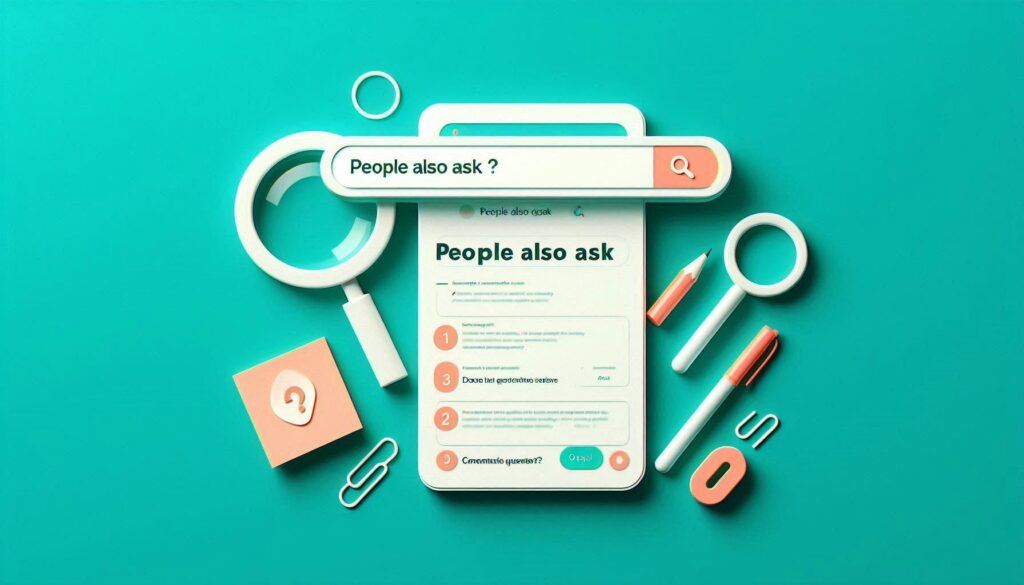
Do this: collect 15–25 real questions. Group them by theme (setup, cost, pains, alternatives). These become your content outlines and your survey/interview prompts.
Worked example (retiree scenario): imagine you’re exploring “gentle home fitness for seniors.” Questions you might capture: “How to start low-impact exercise at 70?”, “Best equipment for tiny apartments?”, “How many minutes is safe to begin?” These become a starter cluster: a main guide, two how-tos, and one comparison (e.g., mini stepper vs. walking pad).
Step 2: Mine Product & Service Reviews
Reviews on Amazon, app stores, Etsy, or competitor sites are gold. Look for repeating phrases like “I wish…”, “It’s confusing…”, “The best part is…”. Copy short quotes into your notes. These help you speak in the customer’s voice and decide what to include or avoid in your offer.
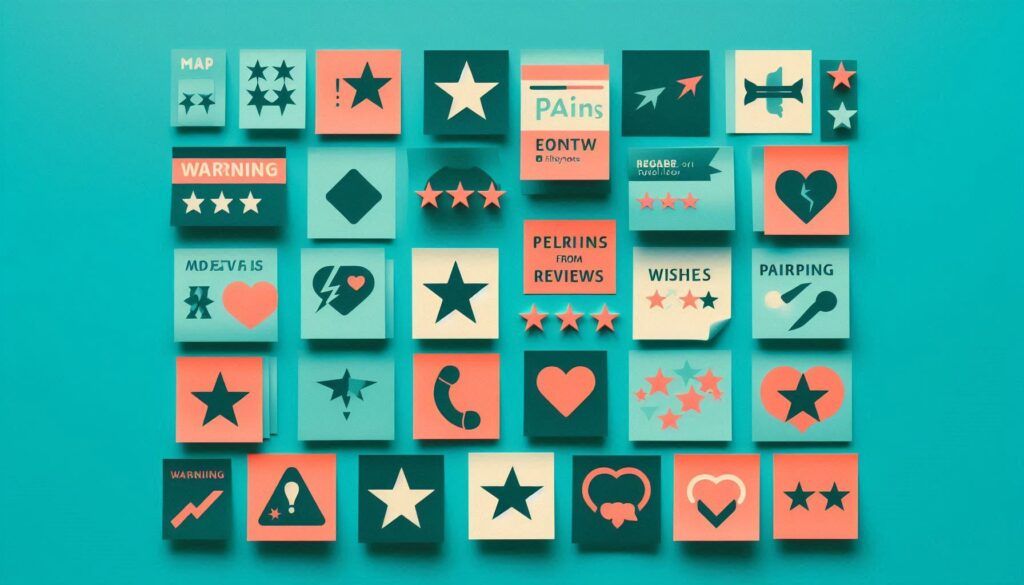
Do this (15 minutes): gather 10 pains and 10 wishes from reviews across 3–5 products. Tag them “beginner”, “time”, “price”, “confusion”, “comfort”, etc. Patterns will jump out. If you see “hard to assemble” three times, that’s a content opportunity (“how to assemble in 10 minutes” guide) and a buying guide criterion (“ships pre-assembled”).
Once you have question clusters and starter topics, you can turn them into helpful content more easily with these guides:
- How To Conduct Keyword Research For Maximum SEO Impact: The Definitive 2025 Guide — build on your research with beginner-friendly keyword steps.
- How to Create Engaging Content That Converts for Affiliate Sales — turn your questions into articles that help and gently sell.
- Affiliate Marketing 101 for Retirees: Simple Beginner’s Guide (2025) — see how market research, content, and offers fit together.
Step 3: Run a Short Survey & 5 Quick Interviews
Use Google Forms (5–7 questions). Ask about their main goal, biggest roadblock, what they’ve tried, and what would make a solution “worth it.” Then book five 15-minute calls (friends, forum members, or Facebook group volunteers). Interviews give nuance that surveys miss.
Survey template (copy these): 1) What’s your main goal right now? 2) What’s the biggest challenge? 3) What have you tried already? 4) What felt confusing or overwhelming? 5) What would make a solution feel “worth it” to you? 6) Optional: your age range? 7) May we contact you for a 15-minute chat?
Interview mini-script: “Thanks for your time. I’m exploring resources for [topic]. What are you aiming to achieve? What gets in the way? If you could wave a wand, what would the perfect help look like? Anything you tried that almost worked?” Keep it friendly; let them talk.
Do this: aim for 25–40 survey responses. Record interviews (with permission) or take bullet notes. Highlight exact phrases—those make powerful headlines and subheads later (“I need a plan that fits into 20 minutes before breakfast”).
After you collect survey and interview notes, you can use these guides to turn your findings into clearer decisions:
- Business Idea Questions: 25 Essential Checks for Beginners (2025) — stress-test your idea using real phrases from your audience.
- How To Validate Your Online Business Idea: A Step-by-step Guide — design a tiny test that uses the pains and wishes you just heard.
- Online Business Plan Template: Simple 1-Page Guide (2025) — capture your refined idea on a single page once you see clear patterns.
Step 4: Build a Competitor Snapshot (One Page)
Pick 3 competitors (blogs, courses, apps, or services). For each, capture pricing, key promise, best content, and gaps. Look for places they ignore beginners, skip step-by-step, or overcomplicate things. Those gaps are your opportunities.
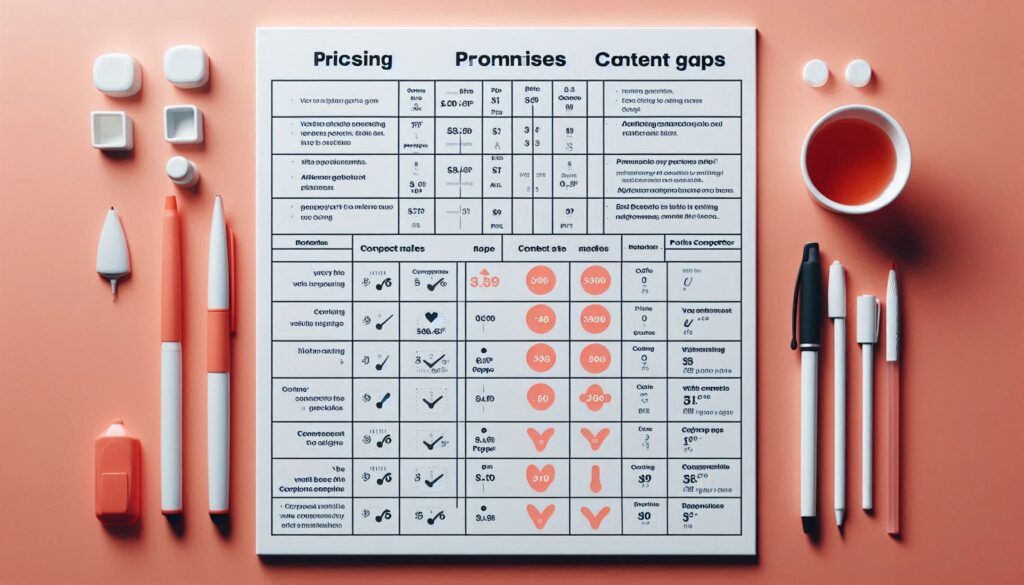
One-page matrix fields: Brand, Promise (one sentence), Price, Best Article/Video, What’s Missing (beginner steps? safety tips? checklists?), Notes. If all three miss “safety for knee pain,” that’s your standout angle for a guide or product round-up.
Step 5: Create Simple Keyword Clusters
Use your questions and review phrases to create small topic groups (clusters). A basic cluster might include a main guide, 2–3 how-tos, and a comparison. This keeps your content focused and helps search engines understand your site.
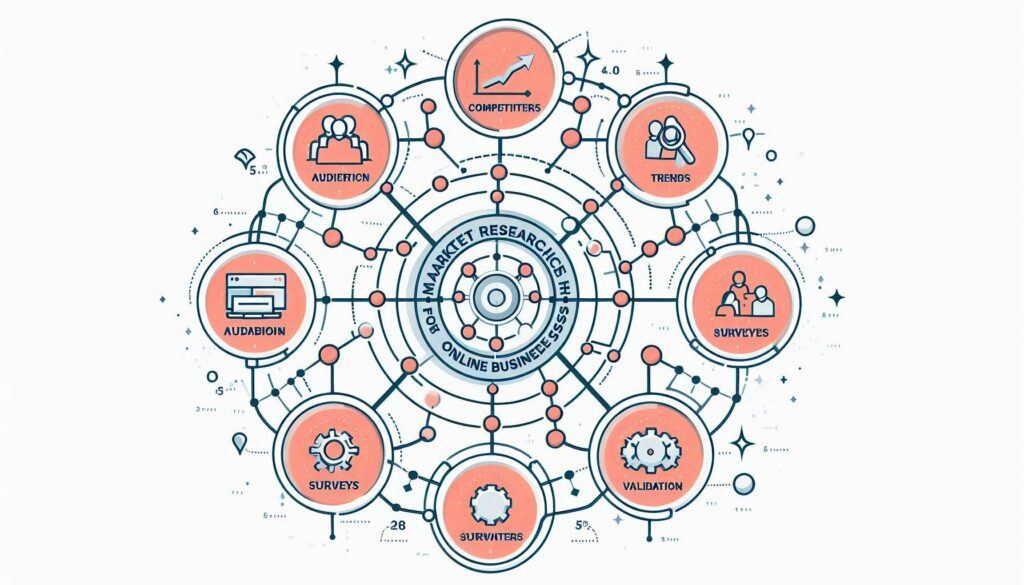
Cluster example (gentle home fitness): Main guide: “How to Start Low-Impact Exercise at 70 (20-Minute Plan)”; How-tos: “Beginner Chair Exercises for Balance,” “Safe Stretching After 65”; Comparison: “Walking Pad vs. Mini Stepper for Small Spaces.” Interlink these pieces and add a short FAQ to each page.
Free helpers: Google Trends to check interest over time, and AnswerThePublic to gather fresh questions. Start free; only add a paid tool if you need exact volumes.
Step 6: Quick Validation With a Tiny Test
Turn one cluster into a tiny test: publish a one-page offer or newsletter signup and send 150–200 targeted visits (Pinterest pins, a small FB boost, an email to friends). Watch clicks, signups, and replies. If results are cold, refine your headline and promise using the phrases you collected.
Mini landing-page outline: Clear headline in their words, 3 bullet benefits, a simple image, and one call-to-action. Promise a specific outcome (e.g., “Start a safe 20-minute routine this week”).
When you finish a tiny test, the next step is to decide how it fits into your broader online business:
- Essential Elements Of A Successful Online Business Plan — connect your research, tests, and offers into a simple plan.
- Online Business Plan Template: Simple 1-Page Guide (2025) — write your key decisions on one page you can revisit.
- Top 10 Online Business Ideas Perfect For Retirees (2025) — if your current test feels wrong, choose a better-fitting idea for your next round.
Common Mistakes (Easy to Avoid)
- Collecting data without decisions: every finding should affect a headline, article, offer, or price.
- Skipping beginner language: write with the exact words your audience uses—especially pains and wishes.
- Trying every tool at once: start free, add one paid tool only if you hit limits.
- No follow-through: schedule one research block and one content block each week.
- Ignoring access & safety: for retiree audiences, include safety notes, clear equipment details, and time estimates.
This Week’s Action Plan
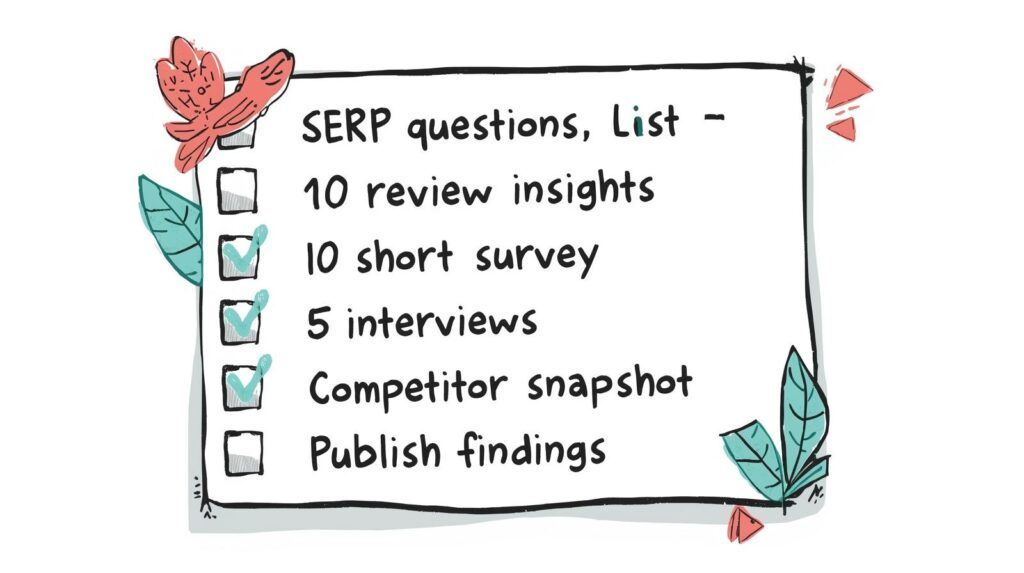
- Collect 20 search questions (from Google and People Also Ask) and group them by theme.
- List 10 pains + 10 wishes from real product/service reviews.
- Launch a 5–7 question survey; schedule 5 short interviews (15 minutes each).
- Build a one-page competitor snapshot (promise, price, content gaps, notes).
- Draft one cluster outline (guide + 2–3 how-tos + a comparison); outline headlines.
- Publish one small test page and send 150–200 targeted visits; record results and next steps.
Make Market Research a Calm, Repeatable Habit
Market research for your online business is not a one-time project. It is a light, repeatable habit that keeps you close to your audience and saves you from building in the dark.
- Schedule one research block and one content block each week.
- Use questions, reviews, surveys, and interviews to guide what you publish and what you offer.
- Treat every tiny test as a learning step, not a final verdict.
You do not need fancy tools or perfect data. You just need honest signals and a simple way to act on them.
If you would like a printable checklist to use alongside this guide, download my free Affiliate Marketing Starter Kit for Retirees. It helps you turn your research into clear content ideas, offers, and next steps.
FAQ
Do I need paid tools?
No. You can learn a lot from search results, reviews, and conversations. Upgrade later if you need speed or estimates.
How many interviews are enough?
Five short calls reveal repeating patterns. Use exact phrases from those calls in your content and landing pages.
What’s a quick validation method?
One page, one simple promise, 150–200 visits. Track clicks and signups, then adjust headlines, benefits, and visuals.
Is this different from keyword research?
Keyword tools are one input. Market research adds real voices—reviews, surveys, interviews—so your content sounds human and helpful.
Hi Gila,
Initially I did not see the main article when loading your page . However I did locate your most recent post “Mind Mapping For Successful Business Idea Generation” by accessing the side menu..
I liked the fact that you mentioned concepts such as enhances creativity and idea generation, helps to visualize complex thoughts and spot connections. This really is a great way to break down barriers and boost team participation and collaboration – and also allows for solo Flexible use. I’ve encountered instances where using this method helped some of the people I worked with see the bigger picture and was non confrontational. Your conversational tone is easy to understand and follow and you point out reasons why this could be a benefit to help brain fog when needing t look at something through new eyes.. Your personal experiences and recommendations.
Your topic rings true to someone always who’s always looking to get new ideas on business and products. What you could have done was to break up the content as 3 individual posts. As you said, sometimes it becomes overwhelming with ideas starting to take a life on their own . Overall you do show a balanced view on how Mind Maps can help and it does work when applied.
Hi Drew,
Thank you for taking the time to share such detailed feedback—I really appreciate it! I’m glad you were able to find the article through the side menu and that the content resonated with you. Mind mapping truly is a powerful yet flexible tool, and it’s great to hear you’ve seen its impact firsthand, especially in team settings where collaboration and clarity can make all the difference.
You’re absolutely right—breaking the content into a series of shorter, focused posts is a great idea. It could definitely help reduce overwhelm and give each concept the space it deserves. I’ll keep that in mind for future updates—thank you for the thoughtful suggestion!
It’s always encouraging to hear from others who are actively seeking new ideas and tools to stay inspired. Thanks again for reading and sharing your perspective!
Warmly,
Gila
This piece beautifully explores the awakening of inner vision as more than just a concept—it feels like a spiritual invitation. I love how it ties self-reflection, meditation, and energy alignment into a path for deeper clarity and purpose. It made me reflect on how much we overlook our inner guidance in daily life. Have you noticed a shift in your intuition or awareness since starting this kind of inner work?
Hi Kiersti,
Thank you so much for your thoughtful comment! I’m really glad you resonated with the piece. It’s amazing how much we often overlook the power of our inner guidance in the hustle of daily life. Self-reflection and meditation can truly open us up to deeper clarity and a stronger sense of purpose.
As for your question, yes, I’ve definitely noticed shifts in my intuition since incorporating more inner work into my routine. It’s like a quiet, yet powerful, knowing that emerges when you create space for it. The more I connect with that, the clearer the path becomes, not just for personal growth, but also in business decisions.
I’m so happy this piece sparked that reflection for you, and I hope you continue to explore and embrace your inner guidance!
Best,
Gila