

Introduction
Affiliate marketing can look like a “quick win” from the outside. But once you start, you realize it’s more like planting a small garden: you set up the basics, you tend it steadily, and results come from patience and good habits—not from rushing.
That’s one reason many retirees and “ageless beginners” like Wealthy Affiliate training. It offers structure, step-by-step lessons, and a community that makes the process feel less lonely. Instead of guessing what to do next, you get a roadmap.
In this guide, I’m expanding on your draft and turning it into a practical blueprint you can actually follow—especially if you’re not techy and you want calm, steady progress. If you’re brand new to affiliate marketing, it may also help to read Affiliate Marketing 101 first, so the big picture feels simple before you dive into the platform.
TL;DR (Too Long; Didn’t Read)
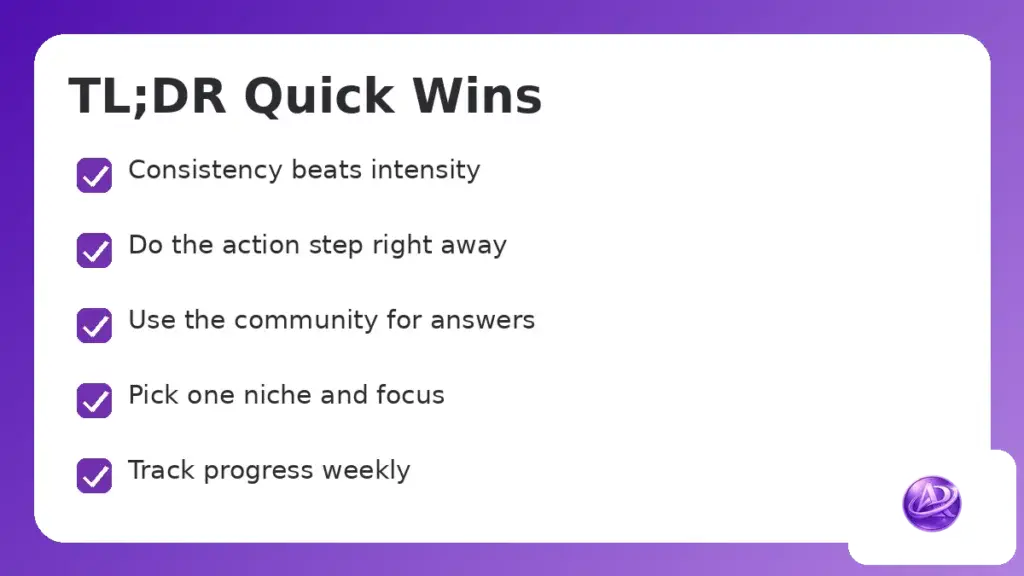
- Consistency beats intensity. Daily (or near-daily) small sessions outperform occasional marathon days.
- Do the action steps as you learn. Don’t “save the work for later.” Apply each lesson immediately.
- Use the community on purpose. Ask clear questions, search past answers, and help others as you grow.
- Pick a niche you can stick with. A focused topic makes content easier and builds trust faster.
- Track what matters weekly. Watch traffic trends, clicks, and rankings—then adjust based on evidence.
1) Build Winning Habits With Consistent Learning
If you take only one thing from this article, let it be this: consistency is the real superpower in affiliate marketing.
Many beginners accidentally do this cycle:
- Week 1: Excited. Two long study sessions.
- Week 2: Busy. Nothing gets done.
- Week 3: Guilty. Restart from scratch.
That’s normal—but it’s also avoidable.
A simple “retiree-friendly” rhythm that works
Instead of aiming for big bursts, aim for a steady pattern that fits real life:
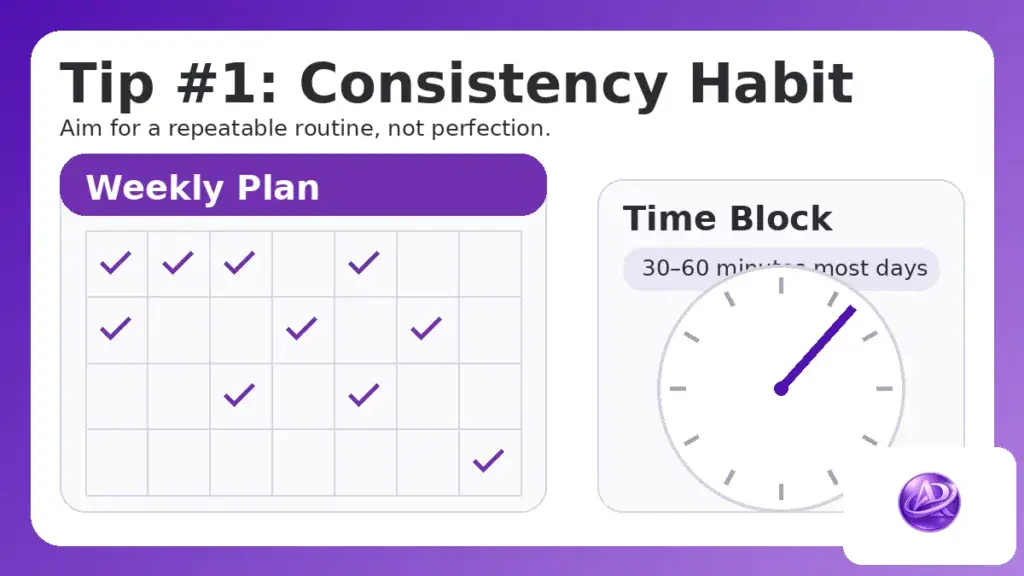
- 20–30 minutes most days (even 4–5 days per week is fine)
- One slightly longer session weekly (60–90 minutes) to plan content and tidy loose ends
This rhythm works because it keeps your brain “in the project.” You don’t waste time re-learning what you did last week. You stay mentally warm.
Why consistency works (especially for websites)
When you publish helpful content steadily, a few good things tend to happen over time:
- Your writing gets faster and clearer.
- Your website grows into a real resource (instead of a half-finished experiment).
- Search engines have more pages to explore and understand.
If SEO is new to you, keep it simple. You don’t need tricks. You need clear structure, helpful writing, and basic optimization. This guide may help: SEO Beginner Guide: Simple Optimization.
Make your “next step” tiny and obvious
One reason people quit is decision fatigue. They log in and think, “What should I do today?” Then they do nothing.
Fix that by ending every session with a one-line note:
Next time: Write the first 200 words of my post about [topic].
That’s it. No fancy planner required. Just reduce friction.
2) Take Action As You Learn (Not “Someday After I’m Ready”)
It’s tempting to keep learning until you feel confident. But affiliate marketing confidence usually comes after you publish—not before.
Wealthy Affiliate training often ends lessons with action steps for a reason. The platform is designed to move you forward in small, practical bites. If you skip the action steps, you end up with “knowledge” but no website growth.
The most common beginner trap: “I’ll build the site later”
This is extremely common:
- You watch lessons about niches, keywords, and content.
- You plan a site in your head.
- You wait until it feels perfect.
But perfect doesn’t pay the bills. Progress does.
So here’s a gentle rule: Do the messy first version now. You can always improve later. In fact, improvement becomes easier once something exists.
Use this “learn → do” loop
Try pairing learning and action in the same session:
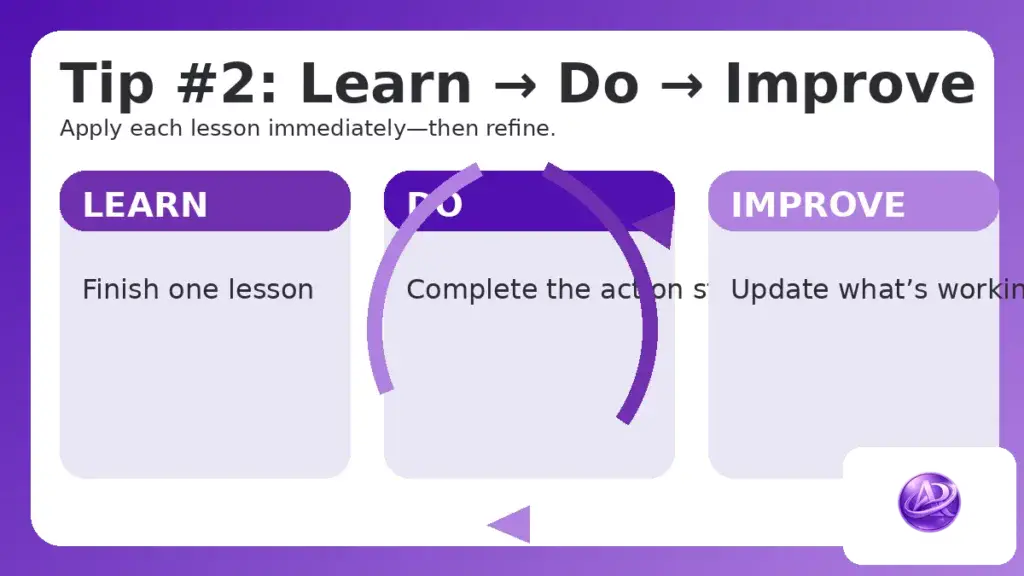
- Watch or read one lesson.
- Immediately do the action step (even if it’s imperfect).
- Write down one question you have (to ask the community).
This loop prevents overwhelm because you’re not trying to absorb everything at once. You’re building one small brick at a time.
What “action” looks like in real life
Action doesn’t mean creating a masterpiece. It usually looks like:
- Publishing a simple “About” page
- Writing one helpful post for beginners
- Choosing one keyword and building a post around it
- Updating an old post with clearer headings
These are all real steps that compound over time.
3) Make the Most of the Wealthy Affiliate Community (Without Getting Overwhelmed)
One of the strongest parts of Wealthy Affiliate training is the built-in community: live chat, comments, Q&A, and experienced members.
But there’s a right way to use it—so it saves you time instead of becoming a distraction.
Ask better questions and you’ll grow faster
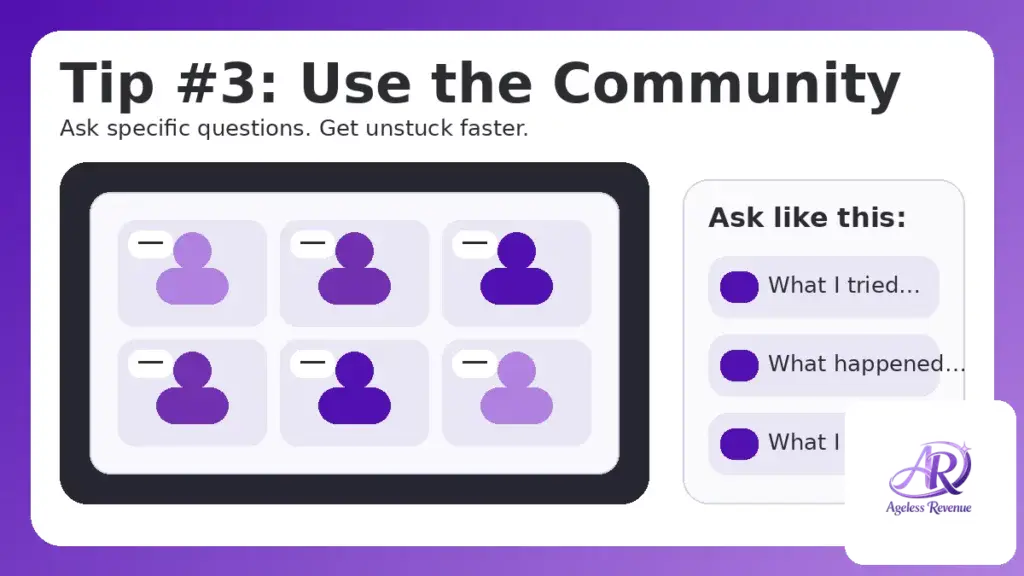
When you’re stuck, don’t just write: “Help! I don’t get SEO.” Instead, ask a clear question with context:
- What you tried: “I updated my title and headings…”
- What happened: “…but my page still isn’t ranking.”
- What you want: “Can someone tell me if my keyword is too broad?”
Clear questions get clear answers.
Use the community like a library
Before posting a new question, search inside the platform first. Many beginner issues (menus, permalinks, themes, plugins, keyword confusion) have already been answered in detail.
That way, you get help faster, and you also learn by reading other people’s examples.
Help others—even if you’re new
This sounds surprising, but it works: when you help someone slightly behind you, you strengthen your own understanding. Even simple encouragement or sharing what worked for you builds confidence and connection.
Keep it calm: set “community boundaries”
If you’re the kind of person who can get pulled into chats, set a boundary:
- Community time: 10 minutes after you complete your daily action step
- Not before
That way community becomes a reward and support system, not a procrastination tool.
4) Niche Down and Focus for Better Results
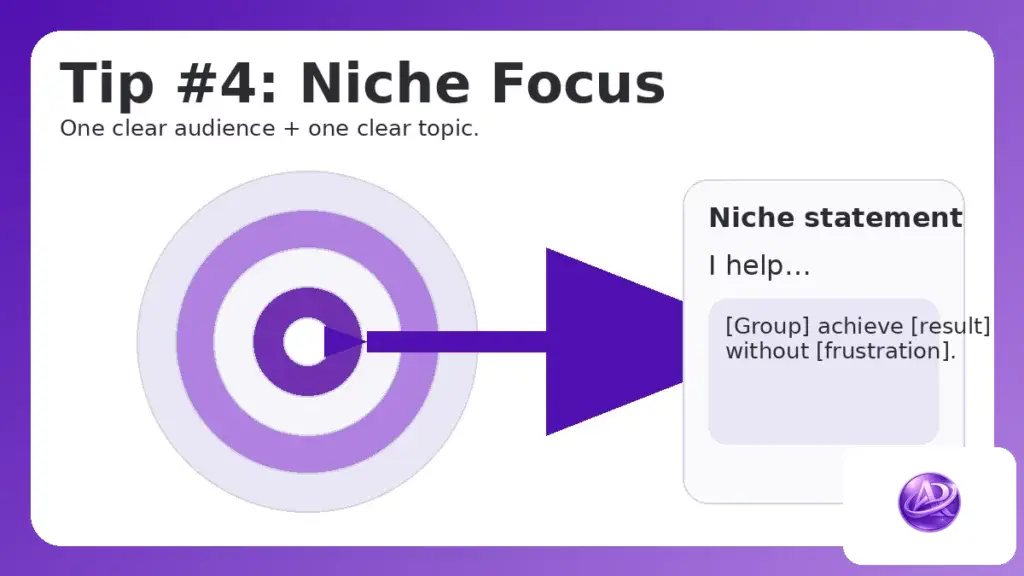
Many affiliate beginners fail for one simple reason: they try to talk to everyone.
A niche isn’t meant to box you in. It’s meant to make your decisions easier:
- What to write about
- What products to recommend
- Who you’re helping
Pick a niche you can live with for a year
Here’s a practical test: can you see yourself writing about this topic for the next 12 months without forcing it?
If the answer is no, choose a different direction. You don’t need a “perfect niche.” You need a workable niche.
A simple niche formula for retirees
Try this:
I help [specific group] do [specific outcome] without [common frustration].
Examples:
- I help retirees travel on a budget without feeling unsafe or overwhelmed.
- I help beginners cook simple diabetic-friendly meals without complicated ingredients.
- I help older dog owners train calm, polite dogs without harsh methods.
Use light market research (don’t guess)
If you’re not sure your niche has demand, don’t overthink it. Do a simple validation pass:
- Search Google for the topic
- Look at “People Also Ask” questions
- Notice if products exist and have real reviews
This beginner-friendly walkthrough can help: Market Research for Your Online Business (Beginner Guide).
Focus creates faster feedback
When your site is focused, it’s easier to see what’s working. You’ll notice patterns like:
- Which posts bring visitors
- Which questions do people care about
- Which product types fit your audience best
That clarity is hard to get when your site jumps from gardening to cryptocurrency to knee braces.
5) Track, Refine, and Celebrate Your Progress
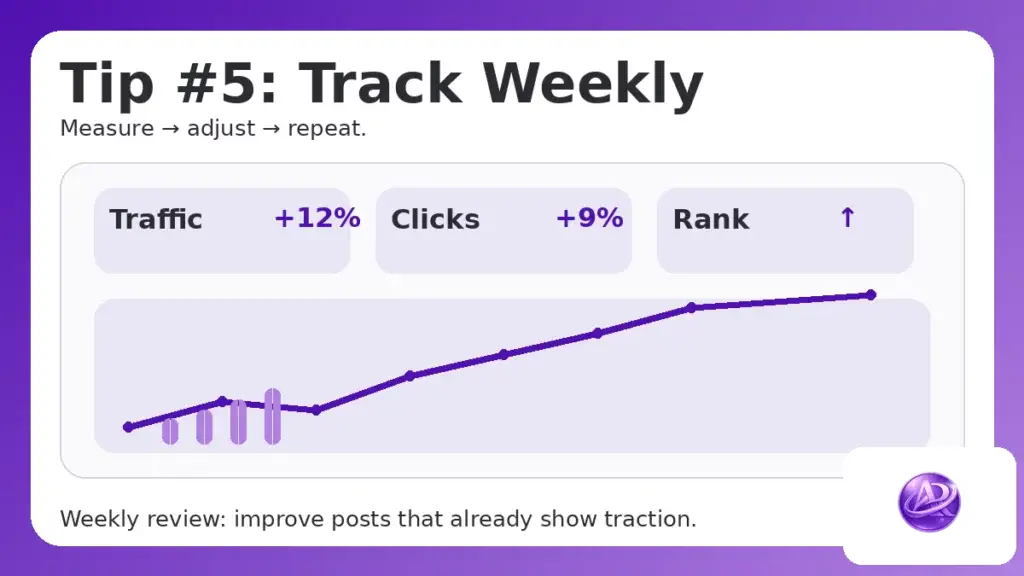
Affiliate marketing is not just “write and hope.” It’s “write, observe, adjust.”
The problem is: beginners often track the wrong things daily (like obsessing over earnings), then feel discouraged.
Instead, track calm, practical signals weekly.
Your weekly 10-minute review
Once per week, look at:
- Traffic trend: Is it generally up, down, or flat?
- Top pages: Which posts are getting visits?
- Search queries: What words are people using to find you?
- Clicks: Are people clicking affiliate links where it makes sense?
Then pick one small improvement for the next week (example: add clearer headings, improve a title, expand a post with missing steps).
Use “what’s already working” as your compass
If one article is getting steady impressions, that’s a clue. Write a related post. Expand the topic. Create a small cluster.
This is how beginners build momentum without guessing.
Celebrate the right milestones
Big milestones are wonderful, but don’t wait for them. Celebrate “proof of progress” moments like:
- Your first post is published (even if it’s not perfect)
- Your first comment or email reply
- Your first page that shows up in Google (even on page 8)
- Your first affiliate click
Those are signs your business is becoming real.
Common Affiliate Mistakes (And How to Avoid Them)
You already listed several important mistakes in your draft. Here they are again—expanded in a calm, practical way.
Mistake #1: Chasing too many niches
Fix: Pick one niche. Commit to 12 months. You can always add a second project later.
Mistake #2: Publishing only “sales” content
Fix: Use a mix:
- How-to guides
- Beginner checklists
- Comparisons
- Honest reviews (with pros and cons)
Helpful content builds trust. Trust leads to clicks.
Mistake #3: Ignoring SEO basics
Fix: Follow beginner-friendly best practices and avoid gimmicks. Google’s own documentation emphasizes helpful, people-first content and clear SEO fundamentals. You can review guidance here: Creating helpful, reliable, people-first content and Google’s SEO Starter Guide.
Mistake #4: Not disclosing affiliate relationships
Fix: Always disclose in plain language. The FTC provides guidance on endorsements and disclosures here: FTC guidance on endorsements, influencers, and reviews.
Mistake #5: Quitting too soon
Fix: Think in seasons, not days. A website often needs time to mature. The goal is steady publishing and steady learning, not overnight results.
A Simple “First 30 Days” Plan Inside Wealthy Affiliate Training
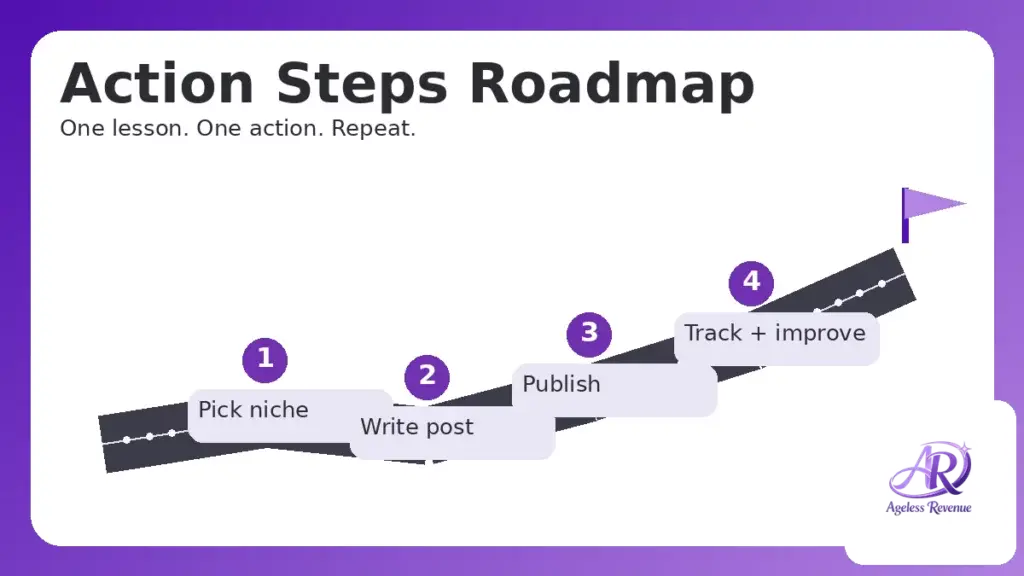
If you want success with Wealthy Affiliate training, it helps to stop thinking, “How do I make money fast?” and start thinking, “How do I build a real asset I control?”
Week 1: Set foundations
- Choose a niche direction (don’t overthink it)
- Set up your site and basic pages
- Publish 1 simple beginner post
Week 2: Build your content habit
- Publish 2 helpful posts
- Create a simple content list of 15 beginner questions
- Ask the community one clear question
Week 3: Add structure and SEO basics
- Publish 2 more posts
- Improve headings on older posts
- Link related posts together (simple internal linking)
Week 4: Start light monetization
- Publish one “best tools” or “recommended resources” post
- Add affiliate links only where they genuinely help
- Track clicks and page views weekly (not hourly)
If you want a broader step-by-step guide for starting your blog and using the platform, this resource can help: Getting Started with Wealthy Affiliate (Beginner’s Guide).
Leave a Reply