Best Practices For Social Media Affiliate Marketing: The Ultimate Guide to Monetizing Your Influence
Contents
- 1 Introduction
- 2 TL;DR: Key Takeaways
- 3 Identifying the Right Platforms and Audience
- 4 Crafting Authentic and Engaging Content
- 5 The Legal Side: Disclosure and Ethics
- 6 Building and Leveraging Influencer Partnerships
- 7 The “Bridge”: Moving Traffic Off Social Media
- 8 Measuring Success and Optimizing Campaigns
- 9 FAQ
- 10 Conclusion
Introduction
Social media affiliate marketing isn’t just catching a wave—it’s redefining the entire digital marketing landscape. Gone are the days when affiliate marketing was solely the domain of niche bloggers and coupon sites. Today, social platforms have transformed how brands connect, engage, and promote their products, turning everyday users into powerful brand ambassadors.
At its core, affiliate marketing is a performance-based partnership: you promote a brand’s products, and you earn a commission on any sales generated from your efforts. But where do you find people hanging out all day? On social media.
However, the “post a link and pray” method is dead. To succeed in 2025 and beyond, you need a strategy that blends psychology, data, and authentic storytelling. This guide will walk you through the nuances of identifying your tribe, crafting content that converts, and navigating the algorithmic waters of modern social platforms.
TL;DR: Key Takeaways
- Platform Fit is Critical: Don’t be everywhere; be where your specific audience hangs out (e.g., Gen Z on TikTok, Professionals on LinkedIn).
- Trust = Currency: Authenticity beats polish. If your audience doesn’t trust you, they won’t click your links.
- Disclose, Disclose, Disclose: Always follow legal guidelines (like FTC rules) to label your affiliate links clearly.
- Video is King: Short-form video content (Reels, TikToks) currently offers the highest organic reach for affiliates.
- Data Drives Decisions: Use analytics to pivot quickly. If a format isn’t working, the data will tell you why.
Identifying the Right Platforms and Audience
Not every social media platform is a good fit for every affiliate marketing campaign. The key to success involves understanding the distinct “vibe” and technical architecture of each platform. You wouldn’t sell enterprise software on Snapchat, just as you likely wouldn’t sell trendy streetwear on LinkedIn.
The Platform Breakdown
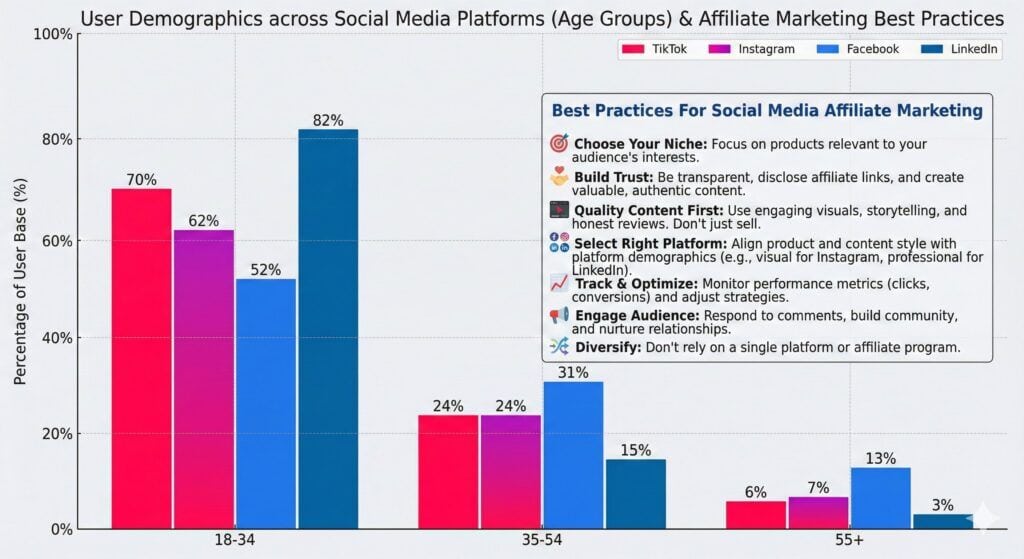
- Instagram & TikTok: These are the titans of visual appeal. They are perfect for B2C (Business to Consumer) niches like fashion, beauty, fitness, and tech gadgets. The algorithm here favors high-energy, short-form video content.
- Facebook: Often underestimated, Facebook remains a powerhouse for community building. Groups are particularly effective for niche affiliate marketing (e.g., “Dog Training Tips” or “Keto Diet Support”).
- YouTube: The second largest search engine in the world. This is the home of “evergreen” content. A review video posted today can generate affiliate commissions for years.
- Pinterest: Less of a social network and more of a visual search engine. It is incredibly powerful for home decor, DIY, and recipe niches where users are in a “planning” mindset.
Deep-Diving into Demographics
Knowing where your audience spends their time is vital. It starts with digging into demographics, such as age, interests, and online behaviors. This isn’t just about numbers but about truly getting what makes your audience tick.
If you are promoting eco-friendly products, platforms with a younger, environmentally-conscious audience (like TikTok or Instagram) might be your go-to. Conversely, if you are selling high-ticket B2B consulting services, your efforts are best spent networking using LinkedIn marketing strategies.
Pro Tip: Create a “Buyer Persona.” Give your ideal customer a name, a job, and a set of pain points. Ask yourself: Does “Corporate Cathy” scroll TikTok during her lunch break, or is she reading industry articles on X (Twitter)?
Crafting Authentic and Engaging Content

Creating content that sticks starts with authenticity. In an era of AI-generated text and polished ads, people crave genuine connections. The key is making your content relatable and real. Forget about the hard sells (“Buy this now!”); instead, focus on stories, experiences, or insights that your audience can genuinely relate to.
The “Edu-tainment” Model
The most successful affiliates blend education with entertainment.
- The Hook: Grab attention in the first 3 seconds.
- The Value: Teach them something or solve a problem.
- The Product: Introduce the affiliate product as the tool to achieve the solution.
For example, instead of posting a photo of a blender with the caption “Buy this blender,” create a 30-second Reel showing a chaotic morning routine that is saved by a quick, healthy smoothie made in that blender. You are selling the result (a stress-free morning), not just the appliance.
Personalization and Trust
Personalization plays a massive role in building trust. Tailor your posts to speak directly to your specific audience. Use language they understand, images that resonate, and a tone that reflects their values.
Leveraging User-Generated Content (UGC)
Incorporate user-generated content whenever you can. Showcasing real customers (or yourself) using and loving a product enhances credibility. It fosters a sense of community and belonging. When you share a follower’s story about how a product helped them, you aren’t selling; you’re validating.
The Legal Side: Disclosure and Ethics
One area often overlooked by beginners is compliance. To build a sustainable business, you must adhere to regulations like the FTC’s endorsement guidelines.
- Be Clear: Hashtags like #ad, #sponsored, or #affiliate are mandatory in many regions.
- Be Prominent: Hiding the disclosure “below the fold” or in a sea of hashtags is often a violation. It must be visible before the user clicks.
- Be Honest: Never recommend a product you haven’t used or don’t believe in. Your reputation is your most valuable asset. Once you lose trust, it is nearly impossible to regain it.
Building and Leveraging Influencer Partnerships
Collaborating with influencers can significantly enhance your affiliate marketing efforts. Influencers already have the trust and attention of their followers, making them ideal partners for promoting your brand.
Finding the Right Match
Choosing the right influencer involves more than just a quick search for high follower counts. In fact, Micro-Influencers (10k-50k followers) often have higher engagement rates than mega-celebrities. Their audiences are more niche and loyal.
Dive into their content, check how their audience interacts with them, and see if their style complements your brand. A well-matched influencer can naturally extend your brand’s reach by seamlessly incorporating your products into their narratives.
Building Long-Term Relationships
Building a strong partnership means laying down the foundation for a long-term relationship. This involves open communication, mutual respect, and a shared vision. Empower your influencers with creative freedom. Let them showcase your products in a way that’s authentic to their style.
Example: If you are partnering with a tech reviewer, don’t give them a script. Give them the product and let them give an honest review. Their audience watches them for their honesty, not their acting skills.
The “Bridge”: Moving Traffic Off Social Media
A critical mistake many affiliates make is relying 100% on the social platform. You do not own your TikTok followers or your Facebook group members. If the platform shuts down or bans your account, your business disappears overnight.
The Importance of Email Marketing
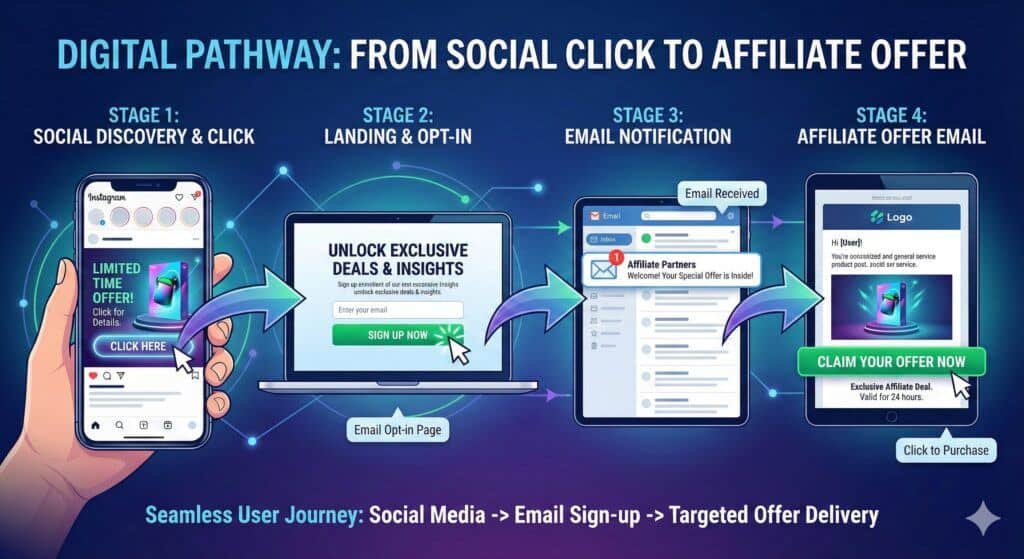
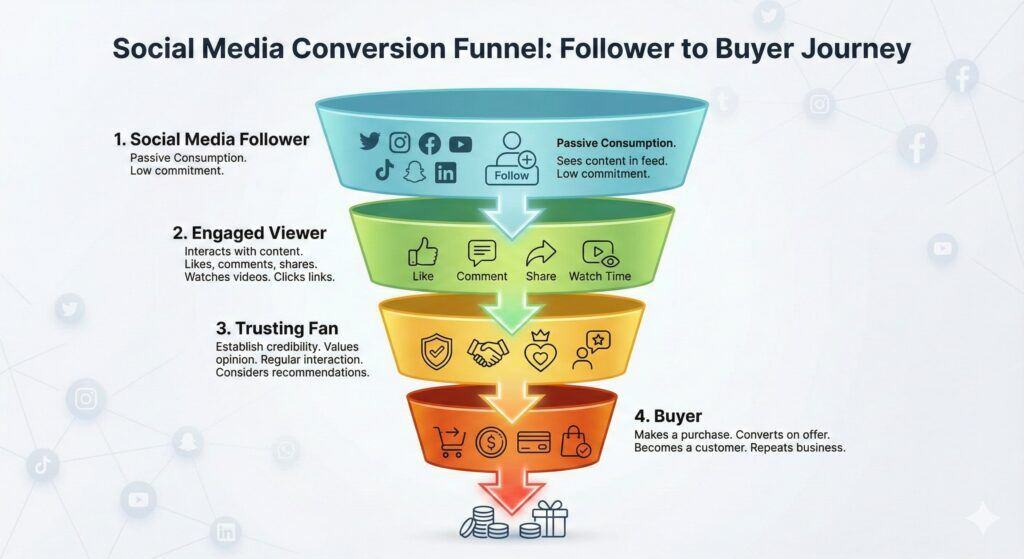
Smart affiliates use social media as the “top of the funnel” to drive traffic to an owned asset, like a website or an email list.
- Step 1: Create compelling social content.
- Step 2: Offer a “Lead Magnet” (e.g., a free checklist, a discount code, or a video guide) in your bio.
- Step 3: Collect their email address in exchange for the lead magnet.
- Step 4: Nurture them via email with value and affiliate offers.
This strategy allows you to market to your audience repeatedly without fighting an algorithm. For a deep dive on this, check out our article on email marketing essentials.
Measuring Success and Optimizing Campaigns
Tracking your social media affiliate marketing success requires keen attention to key performance indicators (KPIs). It’s not just about “likes”—you can’t pay rent with likes.
Key Metrics to Watch
- Click-Through Rate (CTR): Are people actually clicking your bio link or story link?
- Conversion Rate: Of the people who click, how many buy?
- Earnings Per Click (EPC): How much revenue does each click generate on average?
Tools of the Trade
Access to the right tools and tech can make tracking and analyzing these metrics a breeze. Platforms like Google Analytics, Facebook Insights, or specialized affiliate dashboards (like Voluum or ClickMeter) provide heaps of data.
For more technical insights, you can review this external guide on Google Analytics 4 for beginners.
A/B Testing: Continuous optimization revolves around experimentation. Try two different headlines for the same product. Try a video vs. a static image. Test posting at 8 AM vs. 8 PM. These answers will guide you in adjusting your campaigns effectively.
Success in affiliate marketing comes from being flexible. Social media trends evolve, and what works today might not be as effective tomorrow. If you want to master the technical side of tracking, read our guide on SEO and analytics basics (Note: Please verify this slug on your site).
FAQ
Q: Do I need a website for social media affiliate marketing? A: Strictly speaking, no. You can link directly from your social profile. However, having a “bridge page” or website is highly recommended to build an email list and avoid getting flagged by social platforms as spam.
Q: Which social media platform is best for beginners? A: Instagram and Pinterest are often the easiest for beginners. Instagram allows for visual storytelling, while Pinterest has a longer content lifespan and works well for driving traffic to blogs.
Q: How many followers do I need to start? A: You can start with zero! Affiliate marketing is about traffic and trust, not just follower count. However, most platforms require a certain number of followers (e.g., 1,000 on TikTok) to unlock features like “Link in Bio” or “Live” streaming.
Q: Is it expensive to start? A: No. You can start for free by creating content on your smartphone. The only costs usually involve buying the product to review (unless the brand sends it to you) or optional tools for scheduling and design.
Conclusion
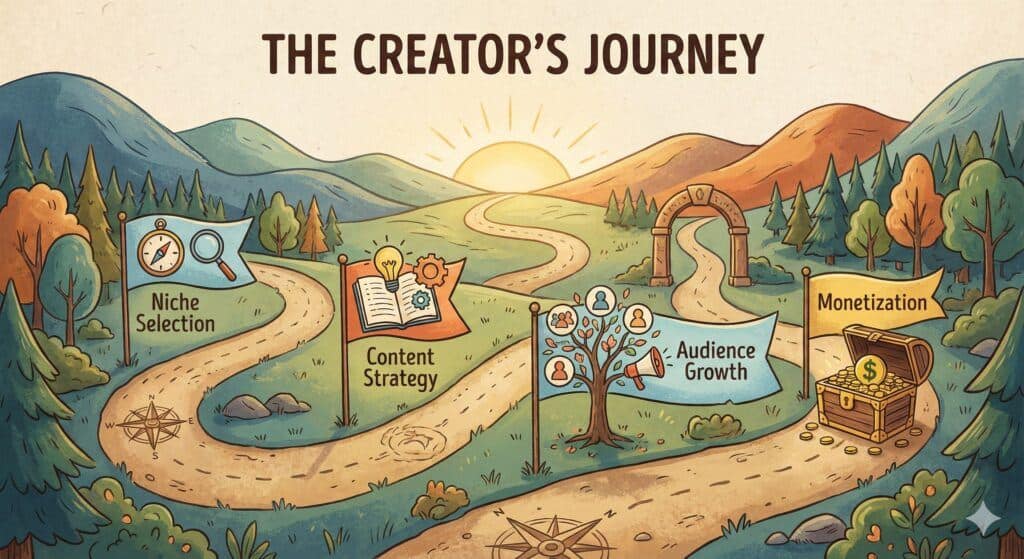
Social media affiliate marketing is a dynamic, high-potential business model that rewards creativity, consistency, and genuine human connection. It allows you to monetize your passion by connecting your audience with products that solve their problems.
However, success doesn’t happen overnight. It requires identifying the right platforms, crafting content that resonates, building authentic relationships, and rigorously tracking your data. It requires moving beyond being a “salesperson” to being a trusted resource.
Ready to take the next step? Don’t just read this guide—implement it. Pick one platform, choose one product you love, and create your first piece of strategic content today.