
Brand new and feeling a little overwhelmed? This retiree-friendly guide gives you a calm, practical path to affiliate marketing with no experience. We’ll pick a tiny niche, set up a simple site, publish three “seed” posts, join beginner-friendly programs, add a proper disclosure, promote gently (search + Pinterest), and track just a few numbers. No jargon. No pressure—just steady progress.
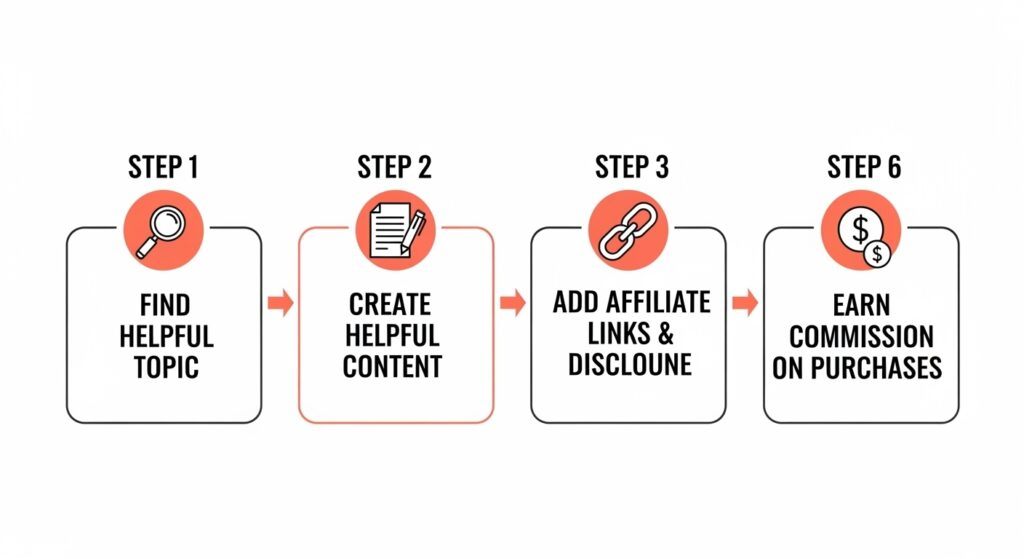
How Affiliate Marketing Works (Quick Sketch)

- Find helpful topics people already search for (we’ll show how).
- Publish helpful content (guides, reviews, comparisons).
- Add affiliate links + disclosure—you may earn a small commission at no extra cost to the reader.
- Earn when a reader buys after clicking your link.
If you’re totally new to terminology, skim my starter: Affiliate Marketing 101 (Retirees).
TL;DR – Starting Affiliate Marketing With No Experience
- You can start affiliate marketing with no experience by focusing on one simple business model: a helpful blog that recommends products you trust.
- The basic steps are: choose a clear niche, set up a simple WordPress site, join beginner-friendly affiliate programs, and publish helpful articles that answer real questions.
- You don’t need advanced tech skills, a big budget, or social media fame—just a willingness to learn, follow a process, and be consistent.
- Your first goal is not “get rich tomorrow” but to launch your site, publish your first 3–5 articles, and understand how clicks and commissions work.
If you’d like a calm, big-picture overview first, read my guide **Affiliate Marketing 101 for Retirees: Simple Beginner’s Guide (2025)**. It shows you how all the pieces fit together before you dive into the steps.
Affiliate Marketing With No Experience: 7-Step Starter Plan
Step 1 — Choose one tiny niche you can write about calmly
Specific beats broad. Instead of “fitness,” consider “gentle stretching aids for seniors.” Instead of “art,” try “beginner watercolor kits for retirees with arthritis.” Specific topics make writing easier and help search engines understand what you do.
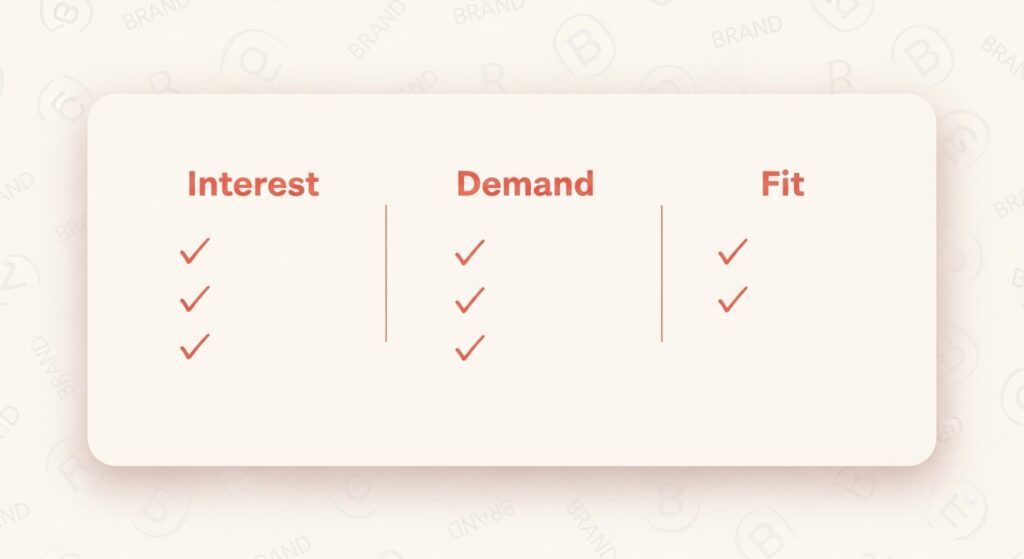
10-minute niche test:
- Interest: Would you happily read/watch 10 videos about this in the next week?
- Demand: Check Google Trends for steady interest. Browse Amazon or big retailers—are there multiple products with lots of reviews?
- Fit: Can you answer beginner questions from your own experience or quick research?
- Evergreen: Will people still want this 6–12 months from now?
Example niche: “Easy indoor herb-garden kits for retirees.” Questions to answer: which kits germinate reliably, light needs, replacement pods, and best budget options.
For more concrete ideas, take a look at **Top 10 Online Business Ideas for Retirees**. It’s full of niche examples that work especially well if you’re starting affiliate marketing with no experience.
When you’re ready to go deeper on topics and search phrases, follow How To Conduct Keyword Research For Maximum SEO Impact: The Definitive 2025 Guide. It’s written with beginners in mind and pairs perfectly with this article.
Step 2 — Set up a simple WordPress site (the calm way)
You only need the basics: domain + hosting, WordPress, a clean theme (Astra/Kadence/GeneratePress), and two plugins—Rank Math (SEO) and Pretty Links or ThirstyAffiliates (link management). Keep it tidy; fancy can wait.
- Create pages: About, Contact, and a short Affiliate Disclosure.
- Add a minimal menu: Home, Blog, About, Contact, Disclosure.
- Want faster graphics? See How to Speed Up Blog Graphics With Canva.
SEO quick checklist: add your site title/description in WordPress, connect Rank Math’s setup wizard, create a sitemap, and set pretty permalinks (/post-name/). That’s enough for day one.
To keep everything organized while you’re setting up your site and planning content, download my Affiliate Marketing Starter Kit for Beginners. It gives you a printable workflow you can follow step by step.
Step 3 — Write 3 “seed” posts that actually help
Start with three pieces that answer real questions. Keep paragraphs short, add subheadings, and use comparison bullets or a small table where helpful. Aim for 900–1,200 words each; clarity beats fluff.
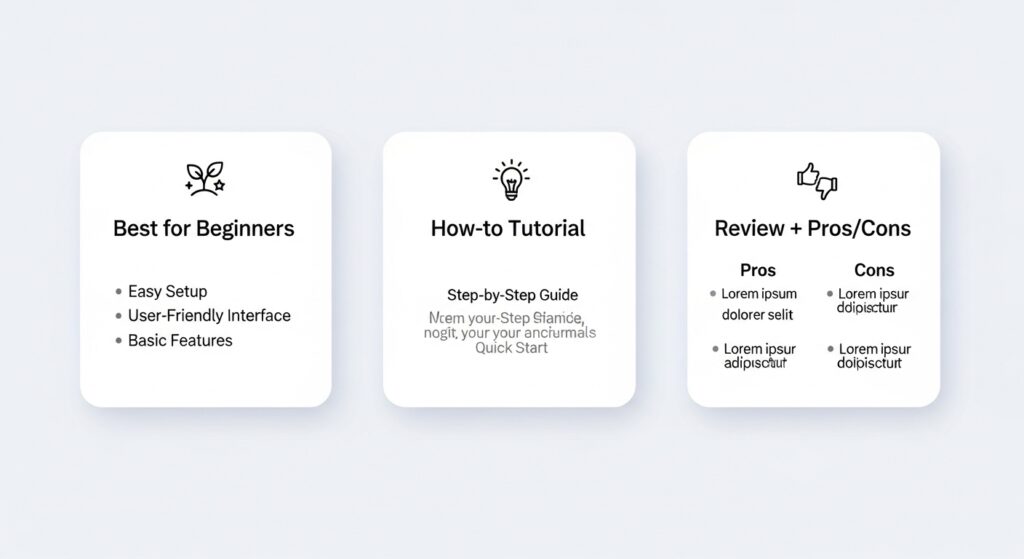
- Listicle: “7 Best Herb-Garden Starter Kits for Beginners (Retiree Friendly)” — include “Best Budget,” “Best Small Space,” “Easiest Maintenance.”
- How-to: “How to Start Indoor Herbs with Low Light (Step by Step)” — checklist of supplies, photos of each step, troubleshooting.
- Review: “AeroGarden Sprout Review: Pros, Cons, & Who It’s For” — state verdict early, then details.
Helpful structure template: intro (what/why), quick picks table (optional), pros/cons, who it’s for, how to use/maintain, alternatives, conclusion with a clear “start here” pick. Readers love clarity.
To make each article more persuasive and reader-friendly, use my guide How to Create Engaging Content That Converts for Affiliate Sales. It shows you how to structure posts so they actually lead to clicks and commissions.
Step 4 — Join two beginner-friendly programs
- Large marketplace: Apply to Amazon Associates after your first posts go live.
- Affiliate network: Pick one (Impact or ShareASale). One login gives access to many brands; apply to niche-relevant programs.
Approval tips: publish 2–3 solid posts, complete your About/Contact pages, and describe your site as “beginner guides and practical reviews for <niche>.” Keep screenshots of your content plan in case they ask.
Step 5 — Add links and a clear affiliate disclosure
Place links where they genuinely help: near product names, in a “What I Recommend” box, and once in your conclusion. Use your link manager so URLs look tidy and can be updated in one place. Add a clear disclosure at the top of each post and a standalone page. See the FTC’s guide: endorsements & testimonials.
Disclosure you can adapt: “This article contains affiliate links. If you purchase through these links, I may earn a small commission at no extra cost to you. I only recommend products I believe are helpful.”
Step 6 — Promote gently (search + Pinterest + communities)
Start slow and repeatable. Create two Pinterest pins per post, answer one relevant question per day in a Facebook or forum group (share your post when it truly helps), and keep publishing weekly. Search traffic grows as your posts age—consistency wins.
- Search: use the main phrase in the title, first paragraph, one subheading, and image ALT. Sprinkle synonyms naturally—no stuffing.
- Pinterest workflow (15 minutes): duplicate your hero, change background/photo, add 5-8 word overlay, schedule in Canva or Tailwind.
- Communities: give one tip before you drop a link. Helpful beats pushy every time.
Step 7 — Track tiny numbers and improve weekly
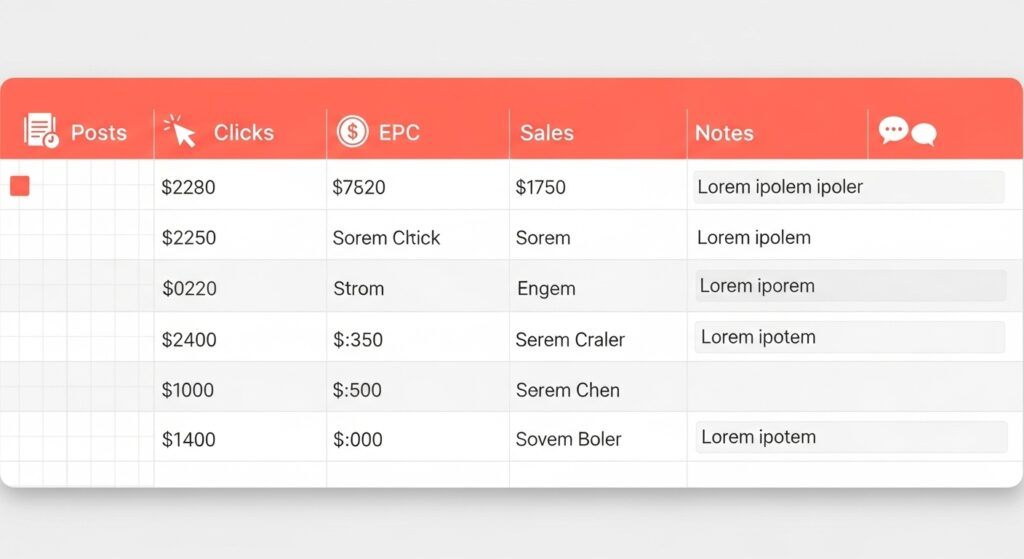
- Clicks on affiliate links (shows interest).
- EPC—earnings per click (shows quality of traffic + offer fit).
- Sales and which posts convert (shows topic/product fit).
Fix by symptom: low clicks ⇒ improve titles and images; high clicks but low sales ⇒ clearer “best pick” box, add pros/cons, include a cheaper starter option; no traffic ⇒ publish weekly and add Pinterest pins.
Two-Week Starter Schedule
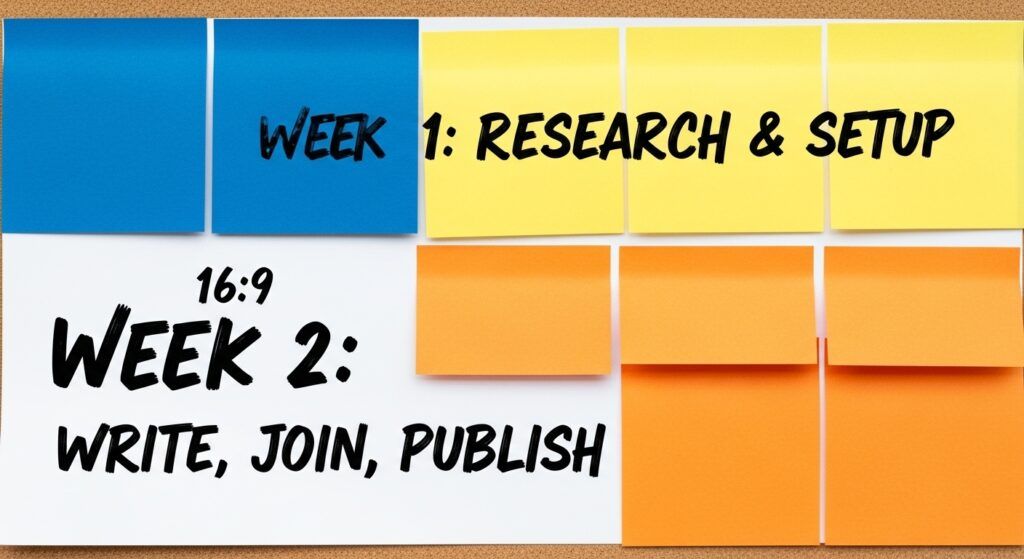
Week 1
- Pick the niche + list 10 questions people ask (from groups/reviews).
- Set up WordPress, theme, Rank Math, and link manager.
- Write outlines for your listicle and how-to posts.
- Create the Disclosure page and About page.
- Draft 2 Pinterest templates in Canva to reuse.
Week 2
- Write and publish the listicle + how-to + one review.
- Apply to Amazon Associates + one affiliate network.
- Add links + disclosure to each post.
- Create two Pinterest pins per post; share one useful tip per day in one group.
- Start a simple tracker: Posts, Clicks, EPC, Sales, Notes.
If you like having a week-by-week roadmap, you can also follow **From “What’s a Niche?” to First Sale: A 90-Day Step-by-Step Guide** alongside this article. It breaks the journey into small, realistic milestones.
Smart Upgrades for Weeks 3–4
- Comparison table: add a 4-column table to your listicle (Best for Beginners, Best Budget, Best Compact, Best Splurge).
- Internal links: add 2–3 internal links per post (“If you liked this, read…”).
- Email capture: offer a 1-page checklist as a PDF (niche quick start). One email form is enough.
- Update old posts: add one image, a clearer pick box, and a FAQ. Small edits can lift rankings.
Common Beginner Mistakes (And Quick Fixes)
- Going too broad. Fix: pick one audience + one problem for your first 10 posts.
- Waiting for “perfect.” Fix: publish the helpful version now; improve next week.
- Hiding the disclosure. Fix: place it at the top of every post + a standalone page.
- No clear pick. Fix: add “Best for Beginners” boxes so readers know where to start.
- Publishing once, then stopping. Fix: one new helpful post every week wins over time.
If you’re worried about doing it “wrong,” read Affiliate Marketing Mistakes: 10 Costly Errors Beginners Must Avoid. Use it as a gentle checklist while you build your first site.
Helpful External Resources
- Google Trends — quick demand check
- Amazon Associates Program — large catalog; beginner-friendly
- FTC Endorsement Guides — what a clear disclosure looks like
More from Ageless Revenue
- Affiliate Marketing 101 (Retirees)
- Affiliate Marketing Starter Kit
- Validate Your Online Business Idea
FAQs
Can I really start affiliate marketing with no experience? Yes. Choose one small niche, publish three seed posts that truly help, apply to two programs, disclose links properly, and keep improving weekly.
How long until my first commission? Many see first clicks within weeks and a first sale in 4–8 weeks with steady publishing and gentle promotion (varies by niche and effort).
Do I need a website? A simple WordPress site gives you control and better approval odds with programs. Social-only can work, but a site wins long-term.
What should I track? Clicks on affiliate links, EPC (earnings per click), and which posts convert. Small improvements add up.
What’s the minimum budget? Domain + hosting, a free theme, free Rank Math, and one link plugin are enough to begin. Upgrade tools later if they save time.
Final nudge: Pick the niche today, outline one post, and publish your first helpful guide this week. That’s how your affiliate marketing with no experience journey turns into real results.
You Can Start Even If You Feel “Behind”
Starting affiliate marketing with no experience can feel intimidating, especially if you are doing it later in life. But if you follow the steps in this guide, you are already doing more than most people who only think about starting “one day.”
- Choose one focused niche and commit to learning about it.
- Set up a simple WordPress site — it does not have to be perfect.
- Join a small number of trustworthy affiliate programs.
- Publish helpful articles consistently, even if they feel slow at first.
- Review what is working and keep improving a little each month.
You do not have to rush. You just have to keep moving.
If you would like a simple printable checklist to keep by your desk while you build, download my free Affiliate Marketing Starter Kit for Retirees. It turns the key steps from this article into an easy-to-follow workflow.
FAQ – Frequently asked questions
Q1. Can I really start affiliate marketing with no experience?
Yes. Starting affiliate marketing with no experience is very common, especially for retirees. You don’t need to be a tech expert or a marketing professional. You just need a clear niche, a simple website, and a willingness to learn the basics of creating helpful content and recommending products you believe in.
Q2. How long will it take to earn my first commission?
It varies from person to person. Some beginners see their first commission in a few months, while others need longer. What matters more than speed is consistency: publishing useful articles, improving your site, and choosing relevant products. Think in terms of 3–6 months of steady effort rather than overnight results.
Q3. Do I need money to get started?
You can start with a small budget. At minimum, you’ll want a domain name, basic hosting, and a simple email tool. Many retirees start with low-cost hosting and free themes, and then invest a little more as they gain confidence and see progress.
Q4. What if I’m not comfortable with technology?
You don’t need advanced tech skills. Most of the tools you’ll use have beginner-friendly interfaces and tutorials. You can also follow step-by-step training platforms and guides that walk you through setting up your site, writing content, and adding affiliate links in plain language.

This article provides a clear and beginner-friendly roadmap for anyone looking to start affiliate marketing with no prior experience. The step-by-step approach breaks down complex concepts into manageable actions, making it easy to follow. However, it could benefit from including real-life examples or case studies to illustrate success stories and inspire confidence in newcomers. Overall, it’s a solid guide for those ready to dive into affiliate marketing.
Hi AJnaval,
Thank you so much for your thoughtful feedback! I’m really glad you found the guide clear and easy to follow. I appreciate your suggestion about including real-life examples or case studies. That’s a great idea, and I can definitely see how that would help inspire confidence and show how others have successfully navigated their affiliate marketing journey. I’ll definitely consider adding that in future updates.
Thanks again for sharing your thoughts, and I’m excited that you found the guide helpful. If you have any other questions or need further tips, feel free to reach out!
Best,
Gila
Affiliate marketing is a great way to get started online, as it is an affordable way to build your own business without all the high costs you would normally incur before you make any profits. As you mentioned, it does take time, and there are also ups and downs all the time when Google changes their rules and overnight you could be dropped from the rankings. But perseverance and hard work will pay off in the end if you just hang in there.
Do you think one should go with safer platforms like Amazon that people trust, or venture into higher commission areas from less well known places?
Hi Michel,
Thank you for your great comment! I completely agree—affiliate marketing is a fantastic way to start building an online business with minimal upfront costs. As you mentioned, it does require patience, and the ups and downs (especially with changes in Google’s algorithms) are definitely part of the journey. But perseverance really does pay off!
As for your question, both approaches have their pros and cons. Safer platforms like Amazon offer the benefit of a well-established, trusted brand, which can make conversions easier because people are already familiar with them. However, the commissions tend to be lower. On the other hand, venturing into higher-commission areas from less well-known platforms can be more lucrative, but it may require more effort to build trust with your audience and educate them about the product or platform.
I think a balanced approach could be ideal—starting with a trusted platform to build your foundation and then expanding into higher-commission niches as you gain more experience and confidence.
Thanks again for sharing your thoughts, Michel! I’m excited to see where your affiliate journey takes you.
Best,
Gila