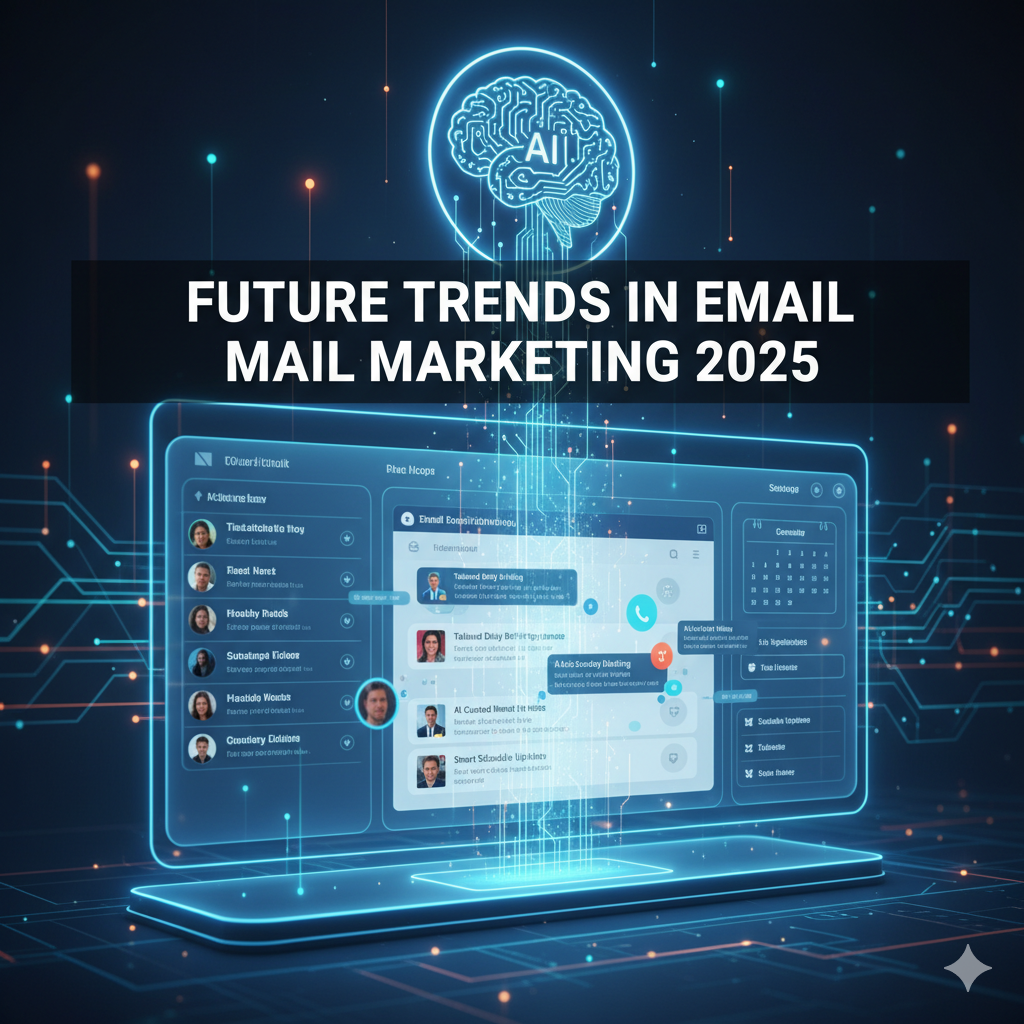
Future Trends In Email Marketing for 2025: From Automation to AI-Driven Hyper-Personalization
Introduction:
Email marketing trends 2025 is not dying; it is simply growing up. In the past, success was about sending the largest volume of emails. In 2025 and beyond, success is about precision, privacy, and creating a memorable experience in an already crowded inbox.
The future of your email strategy will be defined by how well you adapt to three massive shifts: AI-Powered Personalization, The Interactive Inbox, and The Privacy-First Mandate.
This guide prepares you for the Future Trends In Email Marketing, ensuring your strategy is not just current, but future-proof.
TL;DR: Email isn’t dying—it’s evolving. In 2025, the winners are the brands that blend AI, interactivity, and privacy-first practices into a calm, respectful email strategy.
- Move beyond basic segments to AI-powered predictive modeling that times and tailors each send.
- Use generative AI to draft subject lines and copy, then refine it with your own human, authentic voice.
- Turn emails into mini-experiences with AMP elements like polls, carousels, and in-email forms.
- Collect zero-party data through preference centers and quizzes so subscribers willingly share what they want.
- Protect deliverability with proper authentication (SPF, DKIM, DMARC) and strict list hygiene.
- For retirees and beginners, start simple: one or two tools, one core strategy, and a consistent schedule.
Part 1: The AI-Powered Shift (Hyper-Personalization at Scale)
The days of simply using a customer’s first name in the subject line are over. Hyper-personalization is the new standard, and it is entirely driven by Artificial Intelligence (AI).
1. From Segmentation to Predictive Modeling
AI moves marketers from static segments to predictive segments.
- What it means: Instead of manually grouping customers by their past purchases, AI analyzes thousands of small data points (browsing time, device, weather) to predict their future actions.
- Key AI Applications:
- Churn Prediction: AI identifies customers likely to stop buying in the next 30 days, allowing you to send a targeted win-back offer before they leave.
- Optimal Send Time: The system learns the exact minute each individual subscriber usually opens their emails and schedules the message specifically for that moment.
2. Generative AI for Content
AI is no longer just for data—it’s becoming a creative partner.
- The Trend: Marketers are using Generative AI (like ChatGPT integrated into their email tools) to draft multiple versions of a subject line, create dynamic product descriptions, and even write email copy, which is then refined by a human editor.
- The Caveat: The human touch is still required. The most successful brands will blend AI’s speed with their unique, authentic brand voice.
Ready to put AI-powered personalization into action in your own campaigns? These guides walk you through the practical steps:
- Email List Segmentation Guide – Learn the core segmentation strategies that make AI-driven personalization even more effective.
- AI-Driven Email Segmentation Strategies: Using Machine Learning for Hyper-Personalization – See how predictive models and smart segments turn raw data into real results.
- The Best Email Marketing Software Comparison 2025 – Compare tools that offer strong AI, automation, and segmentation features for every budget.
Part 2: The Interactive Inbox (Creating Experiences)
As inboxes become saturated, passive, static emails are becoming ineffective. The next wave of engagement is about making the email itself an interactive application.
1. Interactive Elements (AMP Technology)
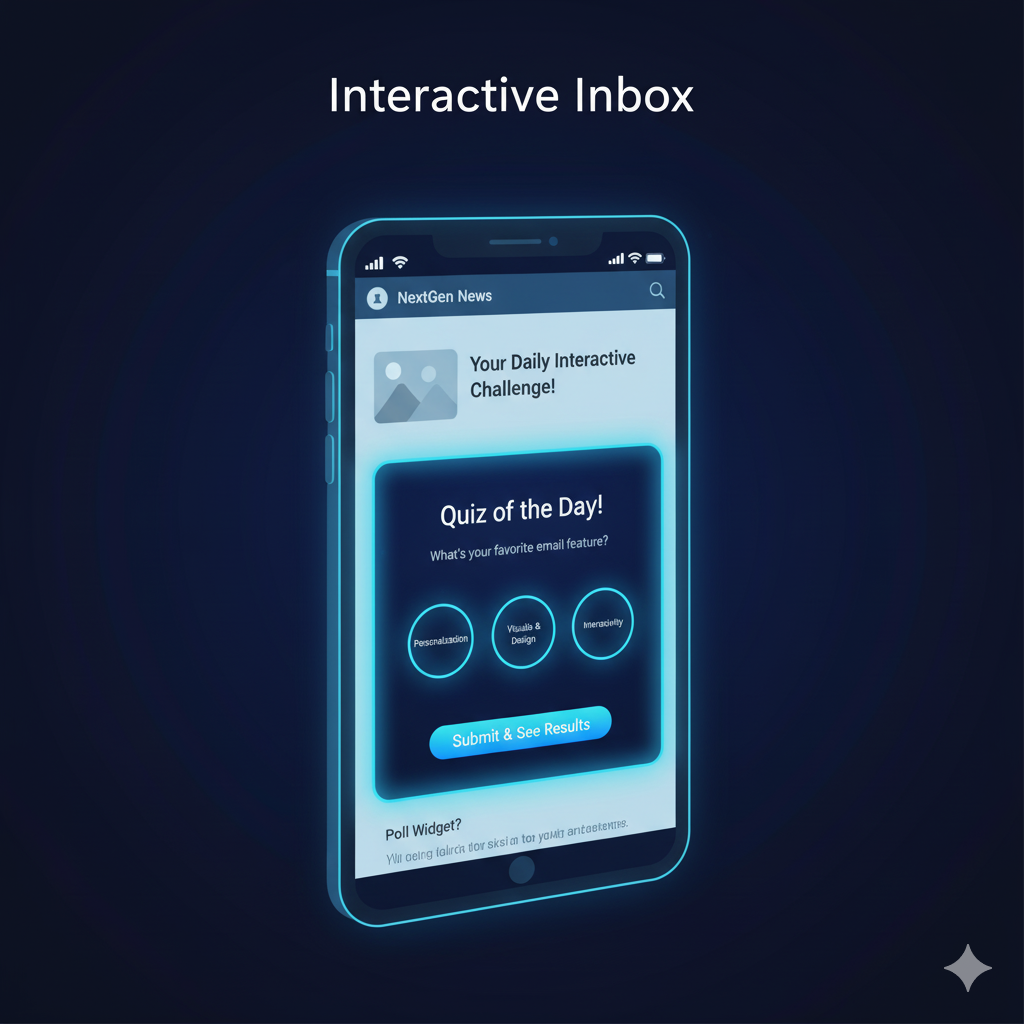
New technologies, such as AMP (Accelerated Mobile Pages), allow subscribers to engage with elements directly within the email client (like Gmail or Outlook) without clicking away to a website.
- Examples:
- In-Email Quizzes/Polls: Customers can answer a survey question right in the email.
- Image Carousels: Users can swipe through multiple product images without leaving the inbox.
- Form Submissions: A customer can RSVP to an event or leave a quick review by clicking a button inside the email.
- The Benefit: By eliminating the extra step of loading a web page, you reduce friction and increase immediate action.
2. Gamification and Novelty
Brands are increasing engagement by making the act of opening an email fun.
- The Tactic: Incorporating elements like “Spin-to-Win” wheels, scratch-off discounts, or hidden coupons.
- The Why: These tactics trigger curiosity and create a positive brand experience, which boosts open rates and conversions.
If you want your own emails to feel more like engaging mini-experiences than static newsletters, start with these practical guides:
- Effective Landing Page Strategies for Email Capture (The 5-Part Formula) – Align your landing pages with your interactive email offers so every click leads to a clean, focused signup experience.
- The Step-by-Step Guide to Effective Email Deliverability – Make sure your most creative, interactive campaigns actually reach the inbox instead of the spam folder.
- The Best Email Marketing Software Comparison 2025 – Choose a platform that supports modern features like AMP, automation, and behavior-based triggers.
Part 3: The Privacy-First Mandate (Building Trust)
Structural changes by major providers (Google, Apple) and new global regulations (GDPR, CCPA) are forcing marketers to focus on trust and transparency.
1. Zero-Party Data Becomes Essential
Since Apple’s Mail Privacy Protection (MPP) made the “open rate” unreliable, marketers can no longer rely on hidden tracking.
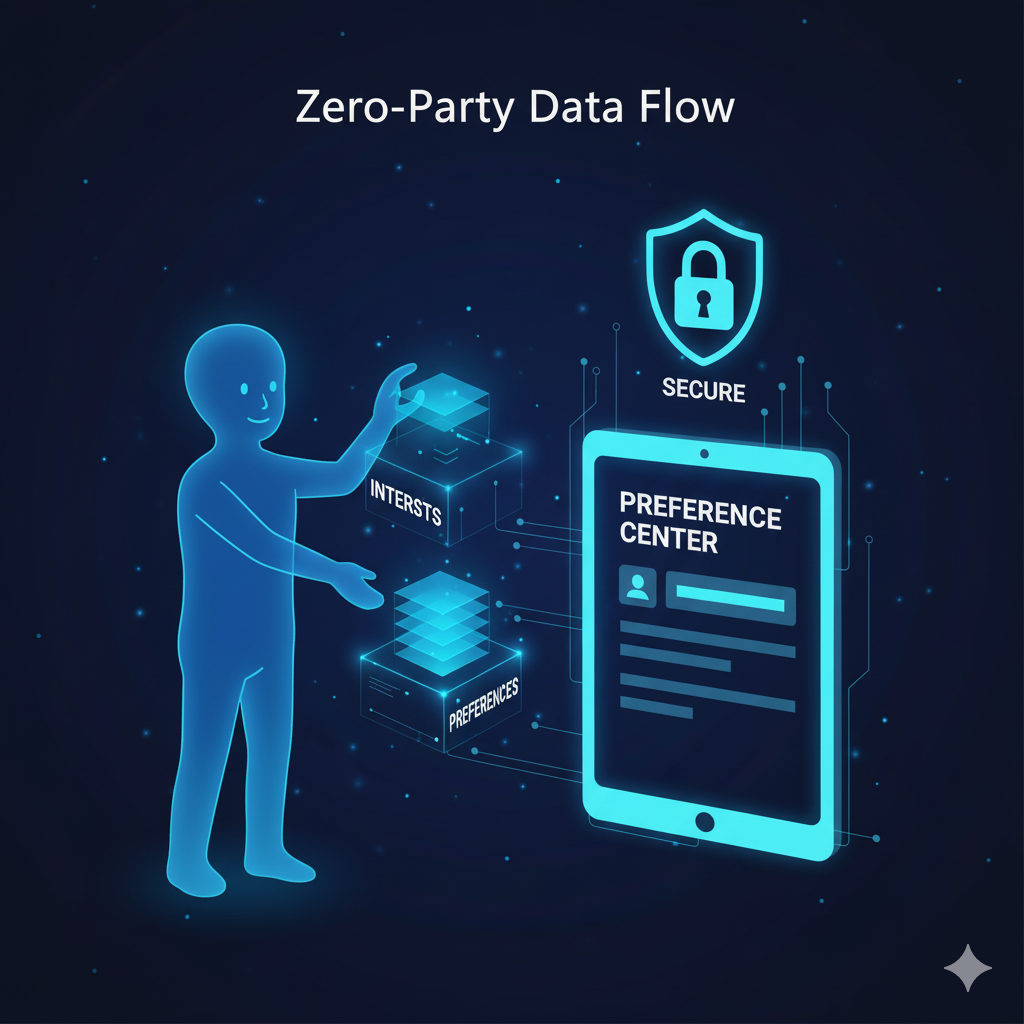
- Zero-Party Data: This is data willingly shared by the customer (e.g., filling out a preference center, taking a quiz, or explicitly stating their interests).
- The Trend: Marketers are investing in building robust Preference Centers and making sure sign-up forms ask specific questions to gather this valuable, trustworthy data directly from the source.
2. Deliverability Focus: The New Authentication Standards
The ability to land in the inbox is harder than ever. Providers like Gmail and Yahoo now require stricter technical compliance for bulk senders.
- The Mandate: Brands must fully implement email authentication protocols (like DMARC, DKIM, and SPF).
- The Action: Focus on list hygiene—aggressively removing inactive subscribers (those who haven’t engaged in 6-12 months). A smaller, clean list that demonstrates high engagement is viewed as more trustworthy by inbox providers.
Want to strengthen your email list quality and protect your sender reputation even further? These resources will help you stay privacy-first and deliverability-safe:
- Email List Growth Strategies – Learn how to grow your list with offers and funnels that attract the right subscribers, not just more subscribers.
- Email List Segmentation Guide – Use smart segments to keep engagement high, which in turn protects your sender reputation.
- The Step-by-Step Guide to Effective Email Deliverability – Follow a simple, practical checklist for authentication, list hygiene, and inbox placement.
Helpful External Resources on Email Marketing Trends 2025
- What Is Email Marketing in 2025 and Beyond (Contechtive) – An overview of AI personalization, zero/first-party data, and AMP-powered emails in modern campaigns.
- Email Marketing in 2025: Strategies, Trends & Best Practices (ITMunch) – Practical examples of AI-powered personalization, hyper-segmentation, and interactive email design.
- 95 Email Marketing Statistics for 2025 (DigitalThoughtz) – Data-backed stats on personalization, segmentation, and engagement to support your email strategy.
❓ Part 4: Frequently Asked Questions (FAQ)
Q: What is the biggest challenge for email deliverability in 2025?
A: The biggest challenge is maintaining a high sender reputation due to stricter authentication requirements (like DMARC/DKIM) and the need to keep a highly engaged list. Inbox providers penalize low-quality, “batch-and-blast” senders much more severely now.
Q: What is Zero-Party Data, and why is it important?
A: Zero-Party Data is information that a customer willingly and proactively shares with a brand (for example, through a preference center or quiz). As privacy laws limit passive tracking, this direct, transparent data becomes the most reliable source for hyper-personalization.
Q: What is an Interactive Email?
A: An Interactive Email uses technology like AMP to let the recipient take action directly inside the email client—such as completing a poll, browsing a product carousel, or RSVPing to an event—without needing to click through to a website. This reduces friction and boosts immediate engagement.
Conclusion
The Future Trends In Email Marketing paint a clear picture: email is becoming smarter, more exclusive, and more intentional. The days of treating your entire list the same are over. By embracing AI for personalization, injecting interactivity into your content, and building your strategy on a foundation of trust and clean data, you will not only survive the shifts but thrive in the modern, sophisticated inbox.
Ready to Apply These Email Trends to Your Own Online Business?
If you’re a retiree or ageless beginner, you don’t need a complex tech stack to benefit from these trends. A calm, step-by-step plan is enough to get started and build confidence over time.
To make your next steps easier, I’ve created a free Affiliate Marketing Starter Kit for Beginners . It walks you through the basics of choosing a niche, setting up simple assets, and understanding how email fits into a sustainable, long-term strategy.
If you’d like guided training, community support, and tools under one roof, I personally recommend Wealthy Affiliate . Their lessons and website platform are beginner-friendly, especially if you’re starting later in life and prefer clear, structured guidance.
You don’t have to master every trend at once. Start with one small improvement—like cleaning your list, experimenting with a simple interactive element, or updating your authentication—and build from there.
