
Last Updated on 2 weeks ago by Gila
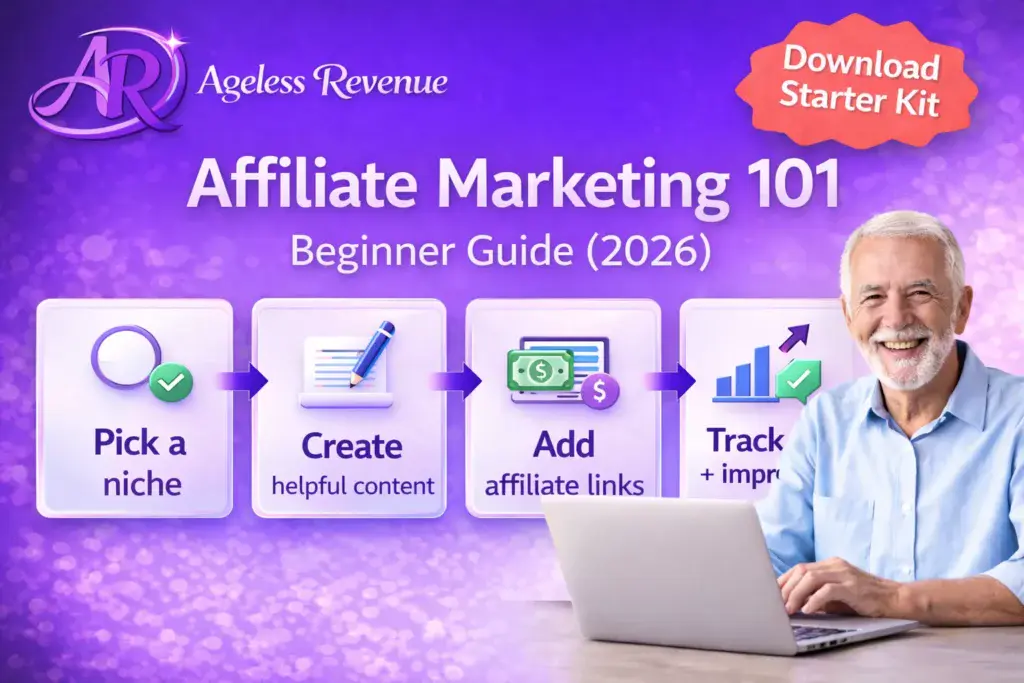
Affiliate marketing is an online opportunity that almost anyone can try, provided you have a willingness to learn and experiment. You’ve probably seen people online talking about making passive income by recommending products or services, but if you’re new, the details of how to get started can feel a bit mysterious.
In this 2026 guide, I’ll walk you through everything I wish I understood back when I started—the basics, beginner steps, and a few practical insights from real experience. My goal is to make this calm and doable: clear steps, simple choices, and a steady path you can repeat without overwhelm.
TL;DR
- Affiliate marketing means you recommend a product or service using a tracked link. If someone buys (or signs up) after clicking, you may earn a commission.
- You don’t need inventory, shipping, or customer service. The seller handles that.
- Start with one niche, one platform, and one simple weekly routine.
- Publish helpful content first, then add affiliate links naturally.
- Track what works, improve your best content, and keep going. Consistency beats speed.
If you want the calm checklists that match this approach, grab the free Starter Kit:
Affiliate Marketing Basics Every Beginner Should Know
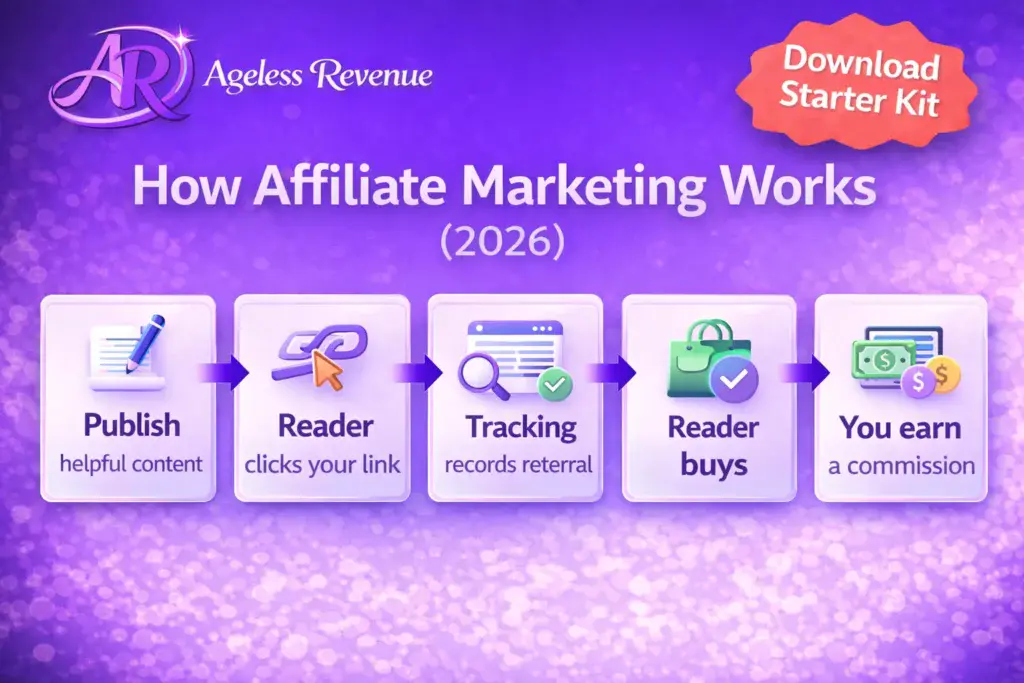
Affiliate marketing is a partnership: you earn a commission for promoting another company’s products or services. The concept is pretty straightforward. You share a unique affiliate link (provided by a business) with your audience. If someone purchases through that link, you get a cut of the sale.
This means you don’t have to deal with inventory, shipping, or customer service; all the heavy lifting is handled by the seller. Your main job is to connect the right person to the right solution by creating helpful content and building trust over time.
The affiliate marketing marketplace has grown quickly, with Statista reporting that U.S. spending on affiliate marketing could exceed $8 billion a year. Brands love only paying for real results, and content creators are drawn to the chance for extra income without needing a business loan or a stockpile of products.
Platforms like Amazon Associates, ShareASale, and Commission Junction have made it easier for newcomers to access reputable affiliate programs. These networks offer products from nearly every niche, including health, travel, tech, and finance.
How affiliate commissions usually work
- Percentage commissions: You earn a percentage of the sale (common for physical products).
- Flat fees (CPA): you earn a fixed amount per sale or lead (common for services).
- Recurring commissions: you earn monthly as long as the customer stays subscribed (common for software).
In 2026, recurring commissions can be especially attractive because they compound slowly over time. You don’t need “viral” content to build something meaningful—just consistent helpful content and good product fit.
How to Get Started in Affiliate Marketing for Beginners (2026)
You don’t need tech expertise to launch an affiliate marketing journey, but knowing the first few steps will save you plenty of time and trial-and-error. My first attempt was pretty clumsy, but honestly, the basics have stood the test of time.
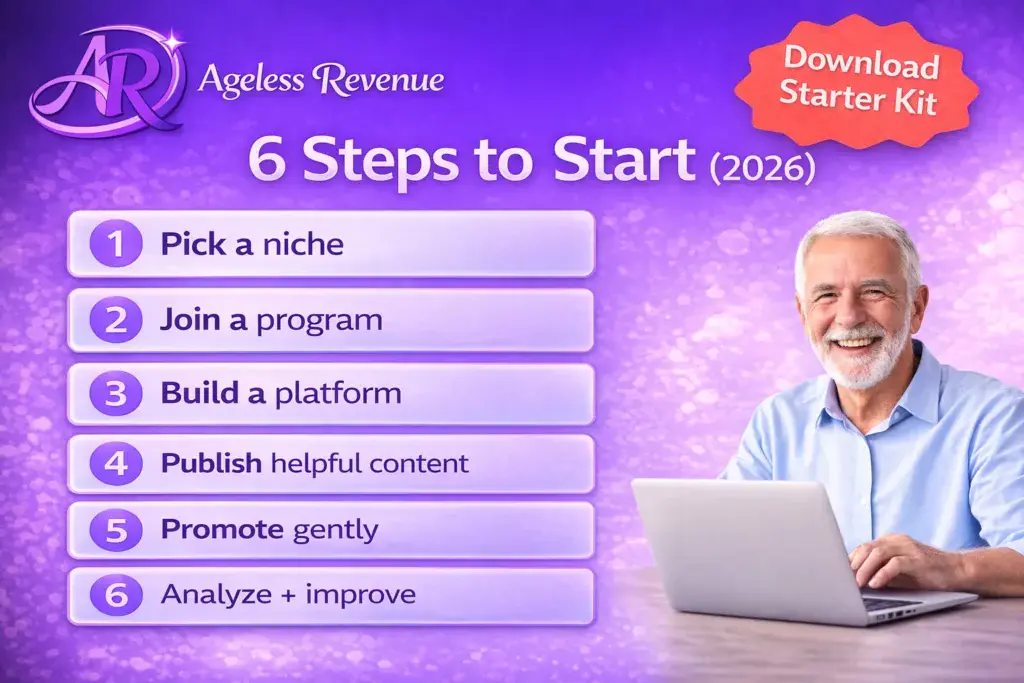
- Pick Your Niche: Choose a topic you care about or know something about. Since you’ll need to create ongoing content, make sure the subject holds your interest for the long haul. The niche could be anything: gardening, gaming, beauty, or kitchen gadgets.
- Sign Up With Affiliate Programs: Leading networks like Amazon Associates, Impact, and Rakuten Advertising let you browse products and brands to promote. Join programs that match your niche. Some are open to everyone, while others want to see your website or social media presence before accepting you.
- Build a Platform: This is where you’ll place your affiliate links. Blogging leads the pack, but YouTube, Instagram, TikTok, and even email newsletters work too. Rather than spreading yourself thin, stick with the platform you enjoy using most.
- Create Useful Content: Start with honest product reviews, how-tos, lists, and even interviews with enthusiasts or experts. Answer questions your audience might be searching for. When people find your content valuable, they’re much more likely to click your affiliate links and shop.
- Share and Promote: Once your content goes live, spread the word through social media or email lists. Build trust by responding to comments and clearing up any questions.
- Analyze and Improve: Most programs provide transparent dashboards for tracking. Look for which links convert best and which pieces of content bring the most attention. Adjusting your approach based on hard data is key to growth in affiliate marketing.
A calm “first month” approach (beginner-friendly)
- Week 1: Pick a niche direction + set up your platform
- Week 2: Publish Post #1 (how-to) + Post #2 (checklist)
- Week 3: Add internal links + publish Post #3
- Week 4: Publish Post #4 + improve one older post (add FAQ, add examples, improve headings)
That’s enough to build momentum without burning out.
Teaching Yourself Affiliate Marketing: Practical Steps
You can teach yourself affiliate marketing. Many of today’s best marketers never took a formal class. Here are a few strategies to make self-learning more effective:
- Read Free Guides and Articles: Sites like Ahrefs and Backlinko break affiliate marketing down step by step. I spent hours reading blog posts and following Twitter threads to soak up different perspectives.
- Watch Video Tutorials: YouTube is full of case studies, real campaign builds, and breakdowns of what works. Sometimes, watching someone do it in real-time is more eye-opening than reading alone.
- Experiment Yourself: Set up a basic blog on WordPress.com or Medium, or start a public Instagram account about your favorite topic. Try various post types, play with link placement, and watch the results.
- Join Affiliate Marketing Forums: Places like Reddit’s r/affiliatemarketing and STM Forum are packed with marketers sharing tips, wins, and helping out beginners. Asking questions in these communities spared me a lot of headaches.
- Subscribe to Newsletters: Some marketers send out weekly tips and the latest updates. These emails can tip you off about mistakes to avoid or new trends to keep an eye on.
The big secret is combining learning with actual trial runs. Don’t just read or watch—test out at least one new idea each week. Real action teaches you what clicks with your audience and accelerates your progress much faster than just reading.
Simple weekly learning routine
- Learn one small concept (20 minutes)
- Apply it to one post (20–40 minutes)
- Write down the result (2 minutes): what changed, what improved, what to repeat
This tiny habit keeps you moving forward without information overload.
Affiliate Marketing Success: Is $10,000 a Month Possible in 2026?
Almost everyone in affiliate marketing wonders if $10,000 a month is within reach. The honest answer? It’s doable—lots of marketers have published income reports showing steady five-figure months, typically after years spent building an audience, mastering conversion tactics, and zeroing in on high-commission niches like finance, SaaS, or luxury travel.
For beginners, though, set your sights on realistic, step-by-step goals. My own initial earnings added up to mere change, but as my content library grew and I matched better products to my audience, results improved. Getting to $10K usually starts with slow growth, then compounds faster as your platform and trust build.
Key things that affect your income:
- Your niche: Some pay out $5 per sale, others $200 for a signup or purchase.
- Your audience’s size and engagement level: Trust matters.
- Your persistence: posting, tweaking, and staying active.
- Your commission structure: high-ticket and recurring programs can scale faster than low-ticket products.
Most beginners won’t see that kind of money overnight, but steady work and smart choices can transform the trickle into a stream. For many, it eventually becomes a full-time income and potentially more.
What I’d aim for first (calm milestones)
- First 30 days: 4 helpful posts published
- First 60–90 days: consistent clicks and early email subscribers
- After that: improve your best posts and add more content around what people already respond to
The 80/20 Rule in Affiliate Marketing
The 80/20 rule, often called the Pareto Principle, says that 80% of your results come from just 20% of your efforts. In affiliate marketing, this might look like:
- 20% of your posts or videos are getting 80% of your clicks and sales.
- 20% of affiliate products are driving nearly all of your revenue.
- 20% of your audience is making the most impact through engagement and purchases.
I saw this personally after several months of blogging—a few articles and select affiliate programs delivered most of my income. Checking stats regularly lets you track down your best performers and focus your energy on what moves the needle. Don’t be afraid to tweak your strategy or drop what isn’t working; doubling down on your winners is a smart move.
Easy way to apply 80/20 as a beginner
- Once a month, look at your top 5 pages (traffic) and top 5 links (clicks).
- Improve the top 1 page with: clearer headings, a better intro, more FAQ, and stronger internal links.
- Write 1 new post that supports your best page (a “related” topic).
This is a calm way to build results without constantly starting from zero.
What To Watch Out for Before Jumping Into Affiliate Marketing
Affiliate marketing comes with a learning curve and a few roadblocks that trip up beginners. Here are the main ones and how to handle them:
- Pick the Right Programs: Not all affiliate programs are created equal. Some offer very low payouts or have confusing rules. Read the fine print, check the payment schedule, and make sure the program suits your topic.
- Build Trust, Don’t Just Chase Sales: People are quick to spot a cash grab. Prioritize honest reviews over aggressive selling. Only recommend things you believe in, and skip what doesn’t feel right for your followers.
- Disclose Affiliate Relationships: Laws in many places require you to openly share when you’re using affiliate links. A quick note or banner keeps you legal and shows your audience you’re being transparent.
- Avoid Burnout: Don’t try to tackle every platform at once. Focus your efforts on your primary platform (a blog or YouTube is fine to start) and branch out as you get comfortable.
- Stay Curious and Flexible: Trends shift and online rules change often. The most successful affiliates keep learning and adjusting as the internet evolves.
Pick the Right Programs
It’s tempting to sign up for a ton of affiliate programs, but doing so often means spreading yourself too thin and promoting products you don’t care about. Stick to a few programs that pay fairly, match your topic, and sell products you like or would use yourself.
Build Trust with Your Audience
Winning over your followers as a straight-shooter takes time. Chasing every trend by plugging untested products can quickly turn people off. When you stick to honest reviews and share your real experiences, your reputation grows, and loyal readers return for future recommendations.
Don’t Overlook Legal Disclosures
It’s essential to tell your readers about affiliate links. Just add a note at the beginning or end of posts (“I may earn a commission if you buy using my link”) to meet the guidelines and reinforce trust with your audience.
Disclosure example: This post contains affiliate links. If you click and purchase, I may earn a commission at no extra cost to you.
Pro Strategies and Tips for Affiliate Marketers (2026)
Once you have the basics down, take things up a notch with these strategies:
Target SEO Traffic
Most free clicks (and sales) come from search engines. Use keyword tools like Google Keyword Planner or Ubersuggest to zero in on what people are searching for—think “best wireless headphones” or “game laptop reviews.”
If you’re just starting, you can also build a list using:
- Google autocomplete suggestions
- “People Also Ask” questions
- Related searches at the bottom of Google results
Mix Up Content Types
Written articles, videos, and simple infographics reach different people. Changing your approach helps engage your audience in new ways and appeals to various learning styles.
Beginner-friendly mix:
- How-to articles (most important)
- Beginner checklists (great for shares)
- Simple comparisons (once you have experience)
Grow an Email List
Email delivers your content directly to your audience, even if social media platforms change. Regular updates and tips help build stronger relationships, keeping your brand fresh in readers’ minds and increasing the chance they’ll click your affiliate links.
A calm first step: offer a one-page checklist as a free download. If you don’t have one yet, use the Starter Kit:
Automate and Schedule
Tools like Buffer for social media or ConvertKit for email automation save time and make scaling your affiliate effort easier. Scheduling posts and emails keeps your outreach consistent even on busy days.
Track the basics (no complicated analytics needed)
- Which posts get traffic
- Which affiliate links get clicks
- Which pages lead to email signups
Then do more of what works and less of what doesn’t.
Frequently Asked Questions
How do I choose a profitable affiliate niche?
Pick something you enjoy, but make sure there’s buyer demand and active searches. Checking Amazon Best Sellers or Google Trends can offer plenty of inspiration.
How long until I see my first sale?
Some folks see sales within the first month, while others need more time. Focus on building trust, publishing fresh content, and know that results will grow with patience and steady work.
Do I need a website?
You don’t have to, but it’s a big help. While TikTok and Instagram can work on their own, a website builds more trust and puts you in control of your content and links.
Can I start with no money?
Absolutely. Paid advertising and fancy apps do speed things up, but you can launch on free blogs or social media, then reinvest earnings as you grow.
Conclusion
Wrapping up, affiliate marketing is one of those rare online opportunities where you can get started on a tight budget and grow at your own pace. By picking the right niche, learning actively, building honest relationships with your followers, and testing new strategies, there’s genuine potential for great results.
Stay persistent, stay curious, and your side hustle could become much more than just pocket change.
CTA: Want the calm checklists?
If you want the steps in a simple printable format, download the free Starter Kit:
If you want an all-in-one beginner platform (training + hosting + support), here’s my recommended next step: